Loading…
UCOURSELY
Home
Vocabulary
Grammar
Reading
Daily NewsBiography
Listening
Speaking
Writing
IPA
Books
Progress
Abraham Lincoln Biography | Learn English through Stories
Back
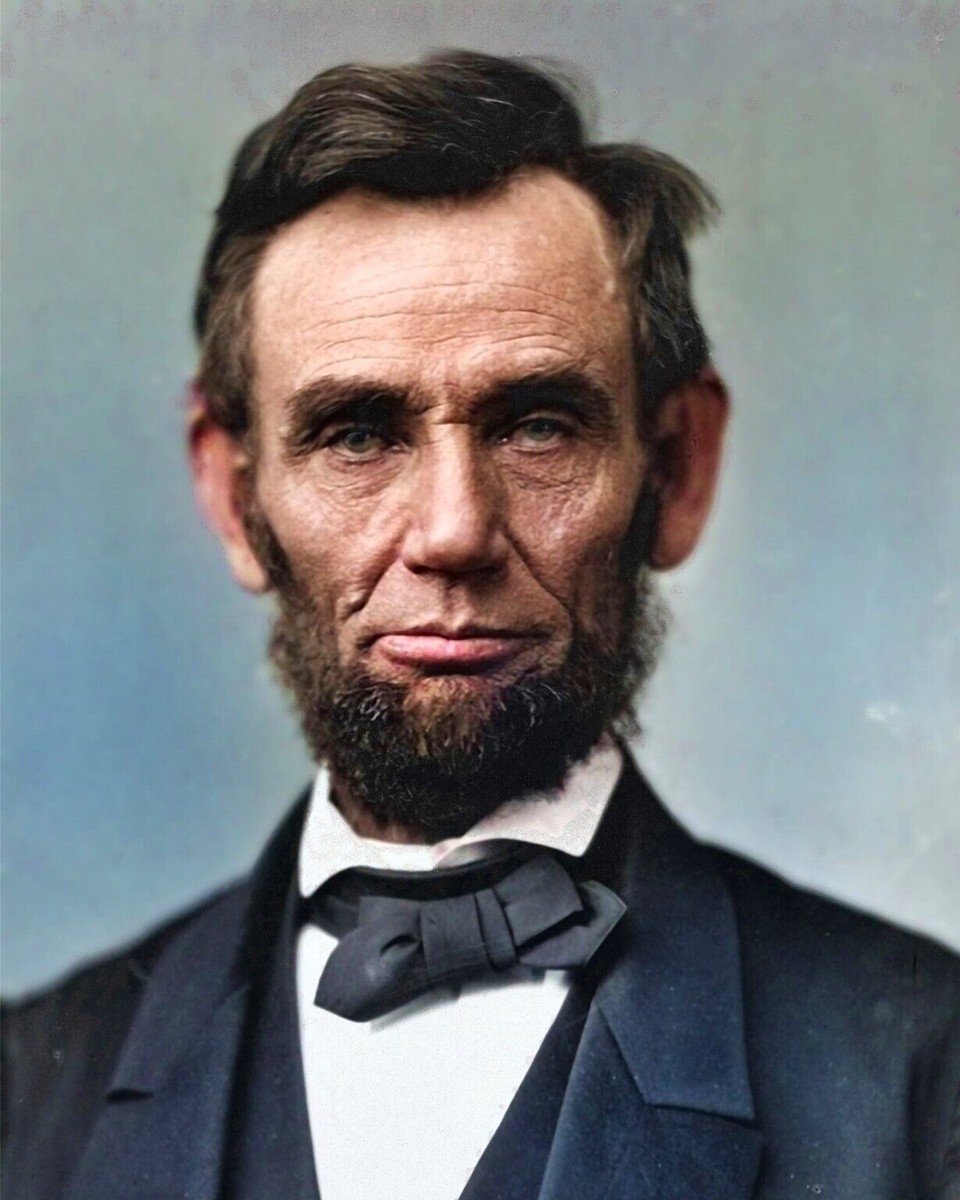
Abraham Lincoln

Abraham Lincoln

The 16th President of the United States who successfully preserved the Union during the American Civil War and issued the Emancipation Proclamation, beginning the process to end slavery.

This biography of Abraham Lincoln helps you learn English through real historical stories.

born1809
died1865
nationalityAmerican
known forPreserving the Union and issuing the Emancipation Proclamation
fieldpolitics and leadership

Key Takeaways

  • He was a self-taught lawyer who rose from poverty to become the 16th US President
  • He successfully led the nation through its greatest crisis, the American Civil War, to preserve the Union
  • He issued the 1863 Emancipation Proclamation, paving the way for the abolition of slavery
  • He delivered the Gettysburg Address, one of the most eloquent and famous speeches in American history

Life Timeline

1809
Born in a log cabin in Kentucky
1860
Elected as the 16th President of the United States
1861
The American Civil War begins
1863
Issued the Emancipation Proclamation and delivered the Gettysburg Address
1865
Assassinated by John Wilkes Booth at Ford's Theatre

Biography Reading: Abraham Lincoln

background

Abraham Lincoln was born in 1809 in a humble log cabin in Kentucky. Growing up on the harsh western frontier, he received very little formal schooling, yet his insatiable thirst for knowledge drove him to educate himself by reading borrowed books by firelight. He eventually became a successful self-taught lawyer and a state legislator in Illinois, earning the nickname "Honest Abe" for his integrity and exceptional storytelling ability.

achievement

Lincoln's election as the 16th President of the United States in 1860 triggered the secession of Southern states and the onset of the American Civil War. His primary, unwavering objective was to preserve the Union at all costs. However, as the bloody conflict dragged on, he fundamentally shifted the war's moral purpose. In 1863, he issued the Emancipation Proclamation, declaring that all slaves in Confederate-held territory "shall be then, thenceforward, and forever free," taking a monumental step toward the total abolition of slavery.

impact

Beyond his decisive leadership, Lincoln was a master of the English language. His Gettysburg Address, delivered in just over two minutes, beautifully redefined the American democratic experiment as a government "of the people, by the people, for the people." Tragically, just days after the Civil War ended in 1865, he was assassinated by a Confederate sympathizer. Lincoln's profound empathy, political genius, and ultimate martyrdom have cemented his legacy as the great savior of the American nation.

Essential Vocabulary

secession
the action of withdrawing formally from membership of a federation or body, especially a political state
emancipation
the fact or process of being set free from legal, social, or political restrictions; liberation
proclamation
a public or official announcement, especially one dealing with a matter of great importance
preserve
maintain (something) in its original or existing state
eloquent
fluent or persuasive in speaking or writing
martyrdom
the death or suffering of a martyr

Knowledge Check Quiz

FACTUAL1 / 4

What major historical document did Abraham Lincoln issue in 1863?

Flashcards

Flashcard
Who was the 16th President of the United States?
Abraham Lincoln.
1 / 9
Learn more

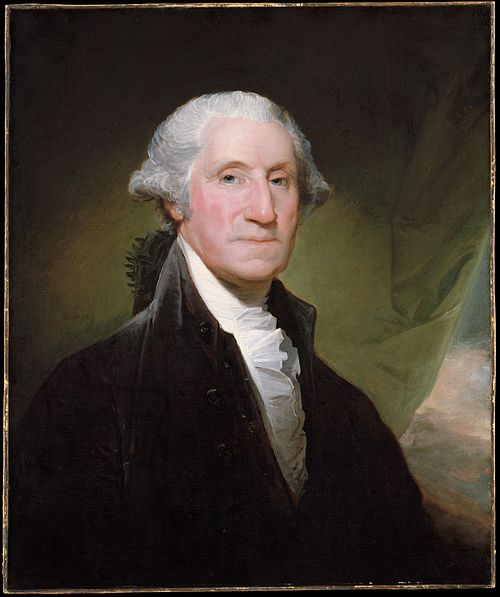
George Washington
Nation Building, Reform & Leadership
George Washington
The first President of the United States, Commander of the Continental Army during the Revolutionary War, and a Founding Father who set enduring precedents for the American presidency.
Thomas Jefferson
Nation Building, Reform & Leadership
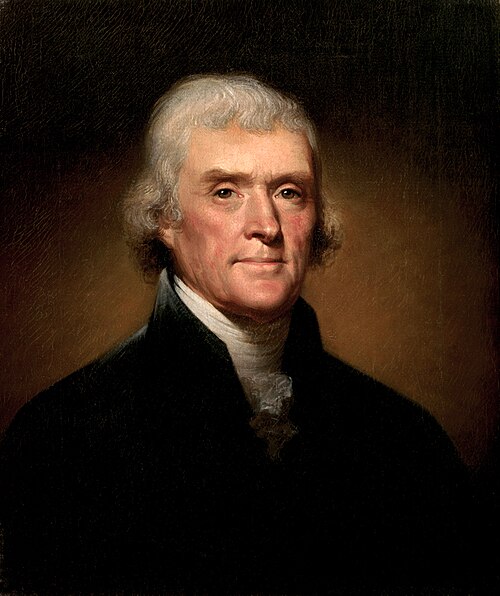
Thomas Jefferson
An American Founding Father, the principal author of the Declaration of Independence, and the third President of the United States who doubled the nation's size.
Franklin D. Roosevelt
Nation Building, Reform & Leadership
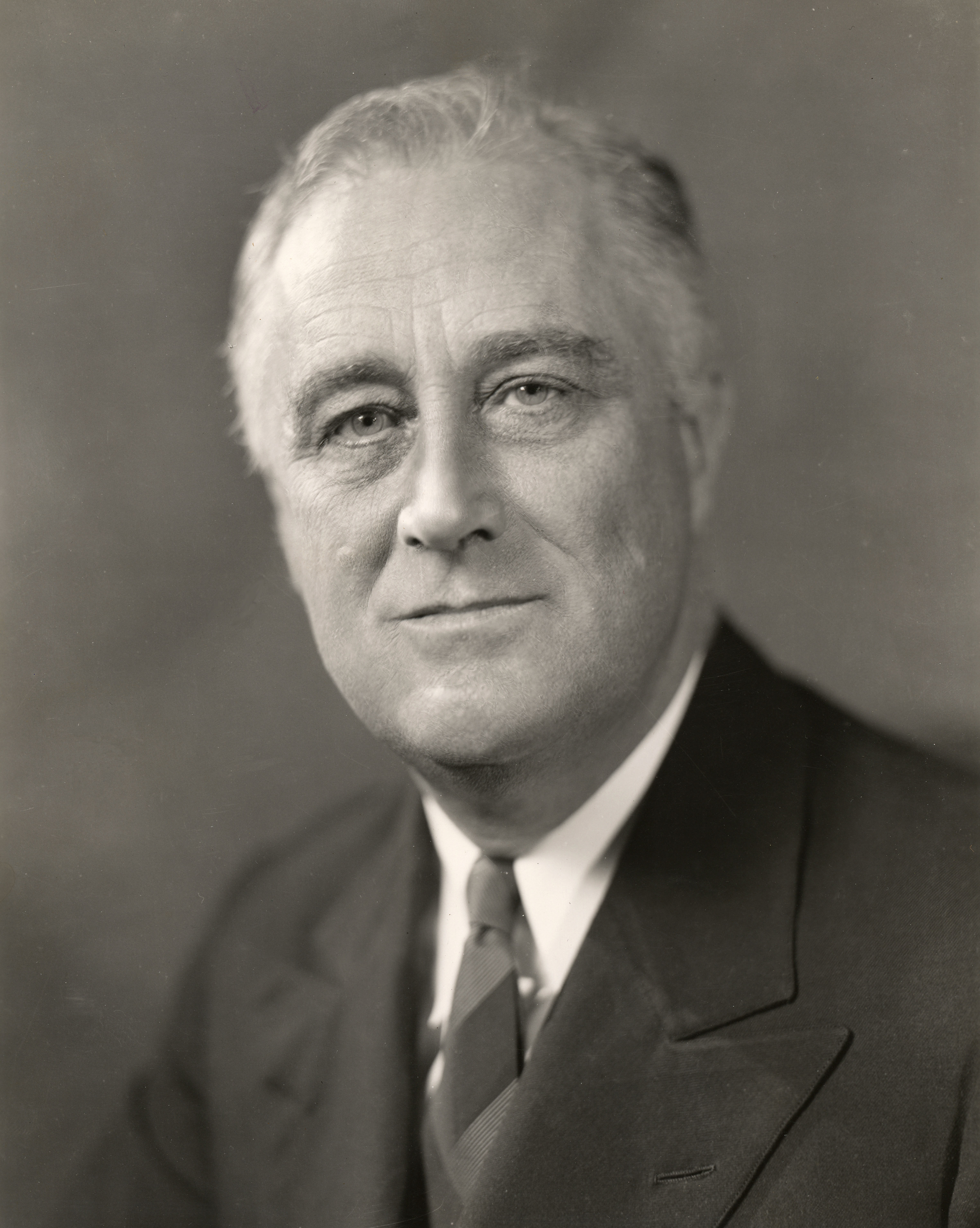
Franklin D. Roosevelt
The 32nd President of the United States who guided the nation through the Great Depression with his New Deal programs and led the country to victory in World War II.
Winston Churchill
Nation Building, Reform & Leadership
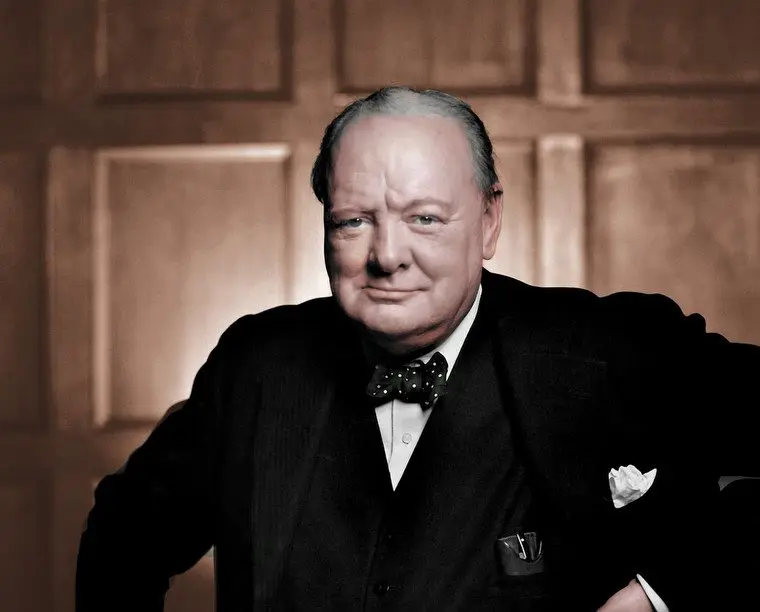
Winston Churchill
A British statesman, soldier, and writer who served as Prime Minister twice and famously led the United Kingdom to victory in the Second World War.
Dwight Eisenhower
Nation Building, Reform & Leadership
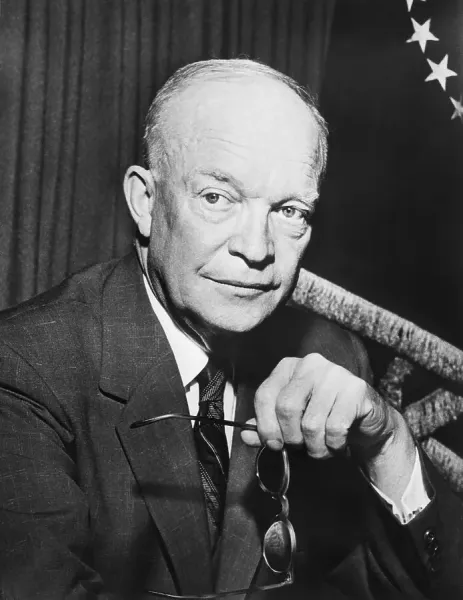
Dwight Eisenhower
A five-star general who served as Supreme Commander of the Allied Expeditionary Force in Europe during WWII and later as the 34th President of the United States.
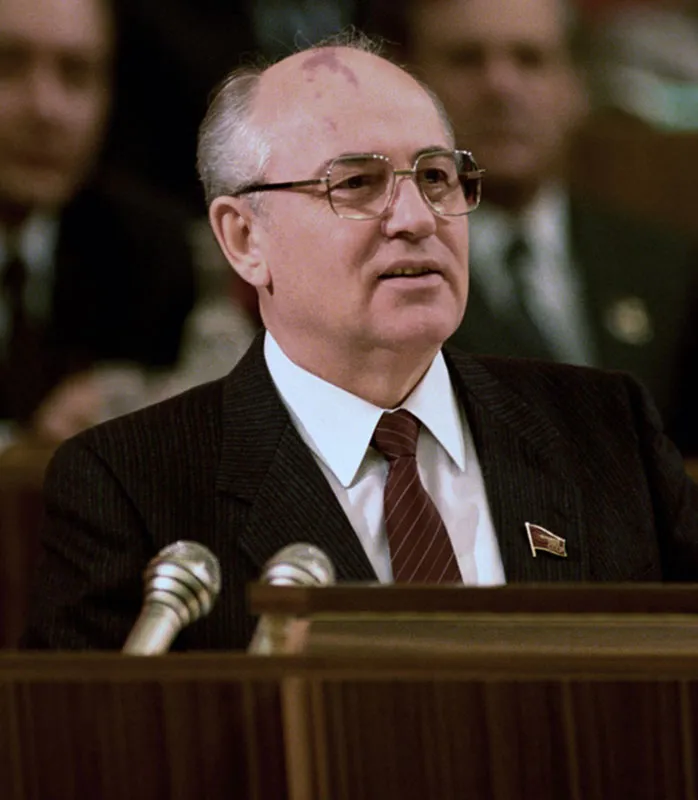
Mikhail Gorbachev
Nation Building, Reform & Leadership
Mikhail Gorbachev
The final leader of the Soviet Union whose reform policies of glasnost and perestroika led to the peaceful end of the Cold War and the dissolution of the USSR.
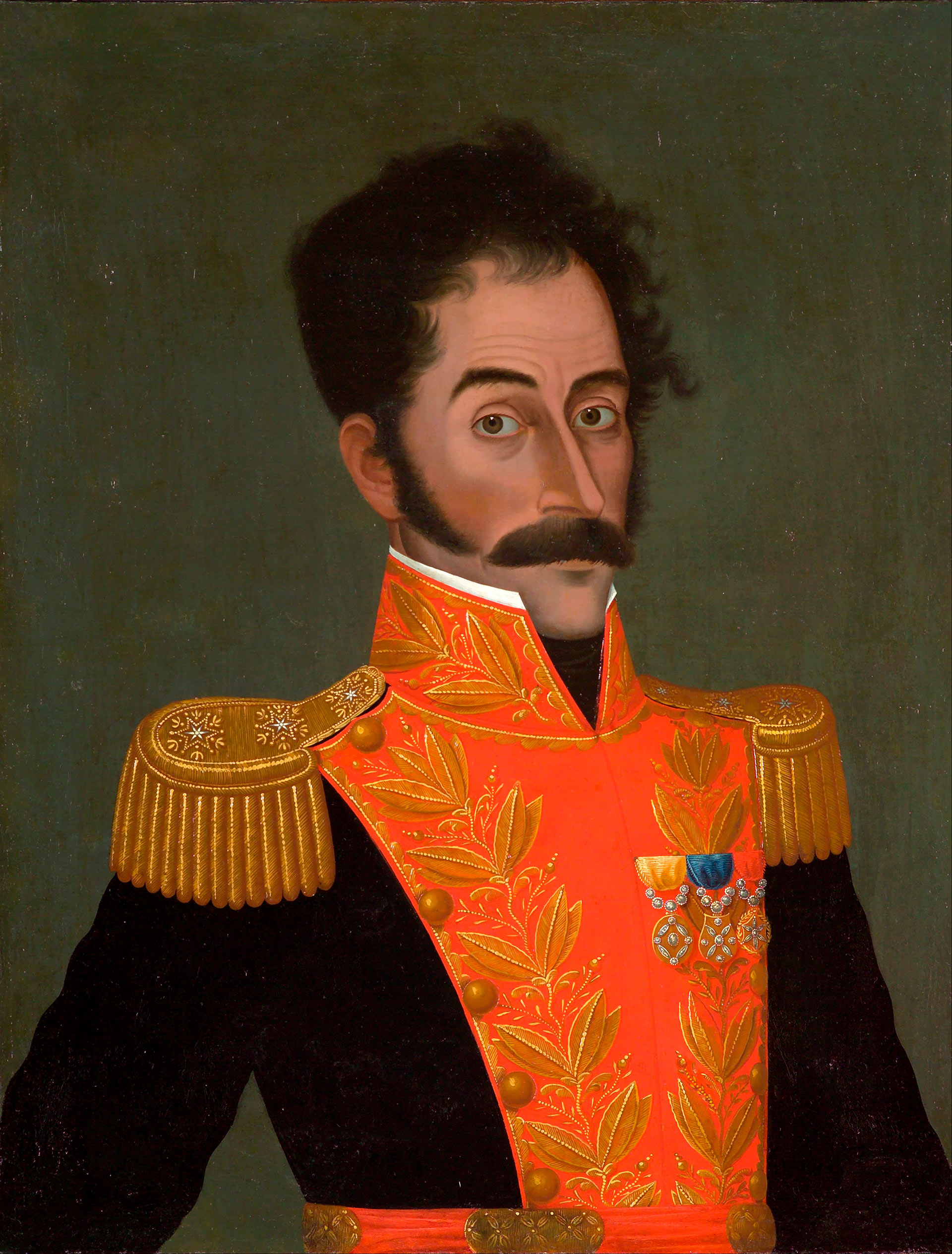
Simon Bolivar
Nation Building, Reform & Leadership
Simon Bolivar
A Venezuelan military and political leader who played a central role in South America's successful struggle for independence from the Spanish Empire.
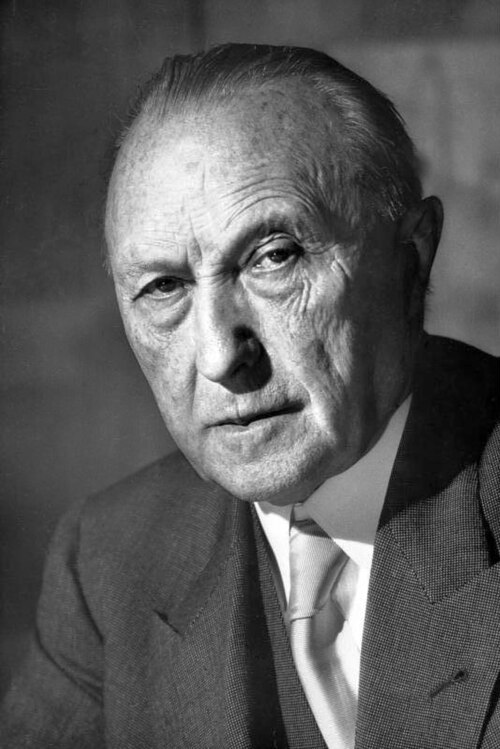
Konrad Adenauer
Nation Building, Reform & Leadership
Konrad Adenauer
The first Chancellor of West Germany who led the nation's remarkable recovery from the ruins of World War II and integrated it into the Western alliance.
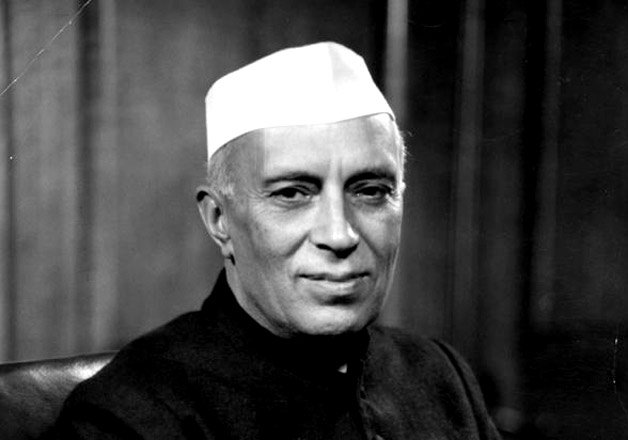
Jawaharlal Nehru
Nation Building, Reform & Leadership
Jawaharlal Nehru
A pivotal leader of the Indian independence movement and the first Prime Minister of independent India, known as the architect of the modern Indian nation-state.
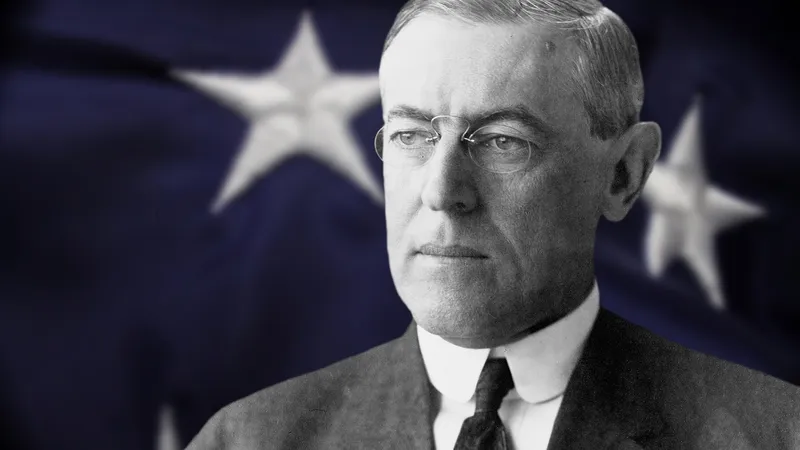
Woodrow Wilson
Nation Building, Reform & Leadership
Woodrow Wilson
The 28th President of the United States who led the nation through World War I and championed the League of Nations, laying the groundwork for modern international cooperation.
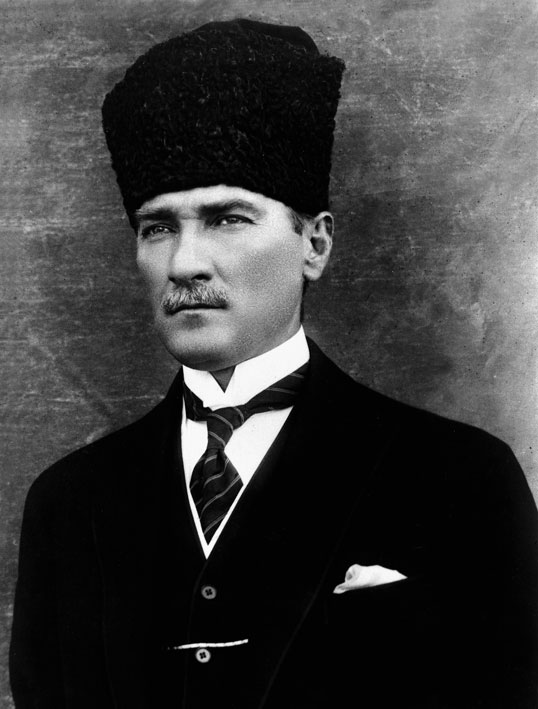
Ataturk
Nation Building, Reform & Leadership
Ataturk
A Turkish field marshal, revolutionary statesman, and the founding father of the Republic of Turkey who implemented sweeping progressive reforms to modernize his country.
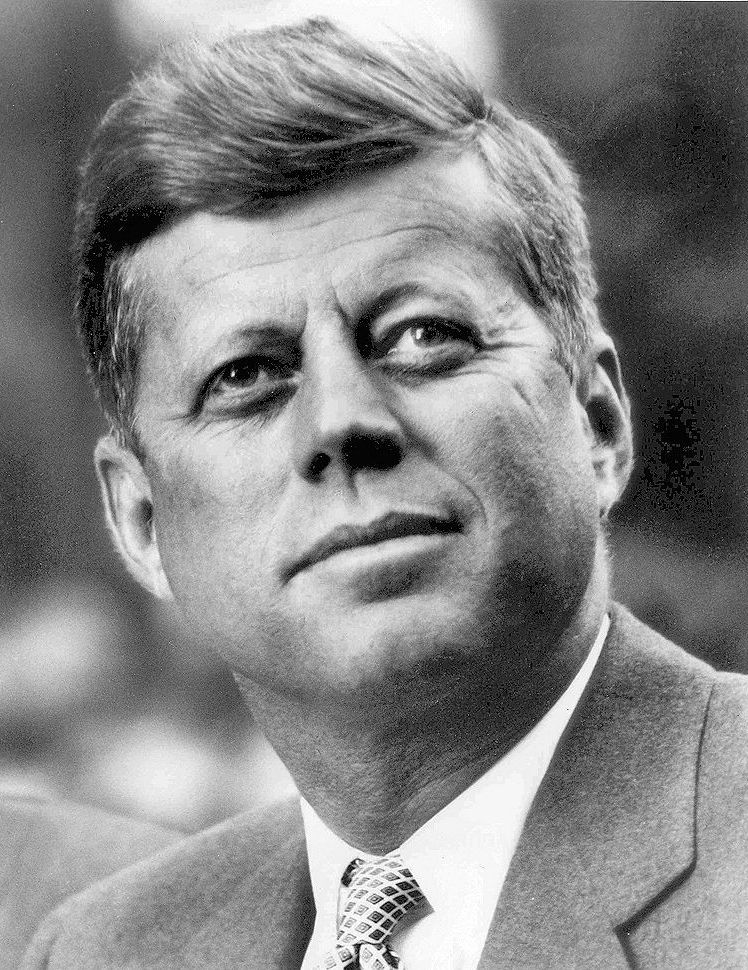
John F. Kennedy
Nation Building, Reform & Leadership
John F. Kennedy
The 35th President of the United States, a charismatic leader who navigated the Cold War's most dangerous moments and inspired a generation with his "New Frontier" vision.
Indira Gandhi
Nation Building, Reform & Leadership
Indira Gandhi
The first and only female Prime Minister of India to date, a polarizing yet powerful leader who transformed India into a regional hegemon and achieved food security.
Benazir Bhutto
Nation Building, Reform & Leadership
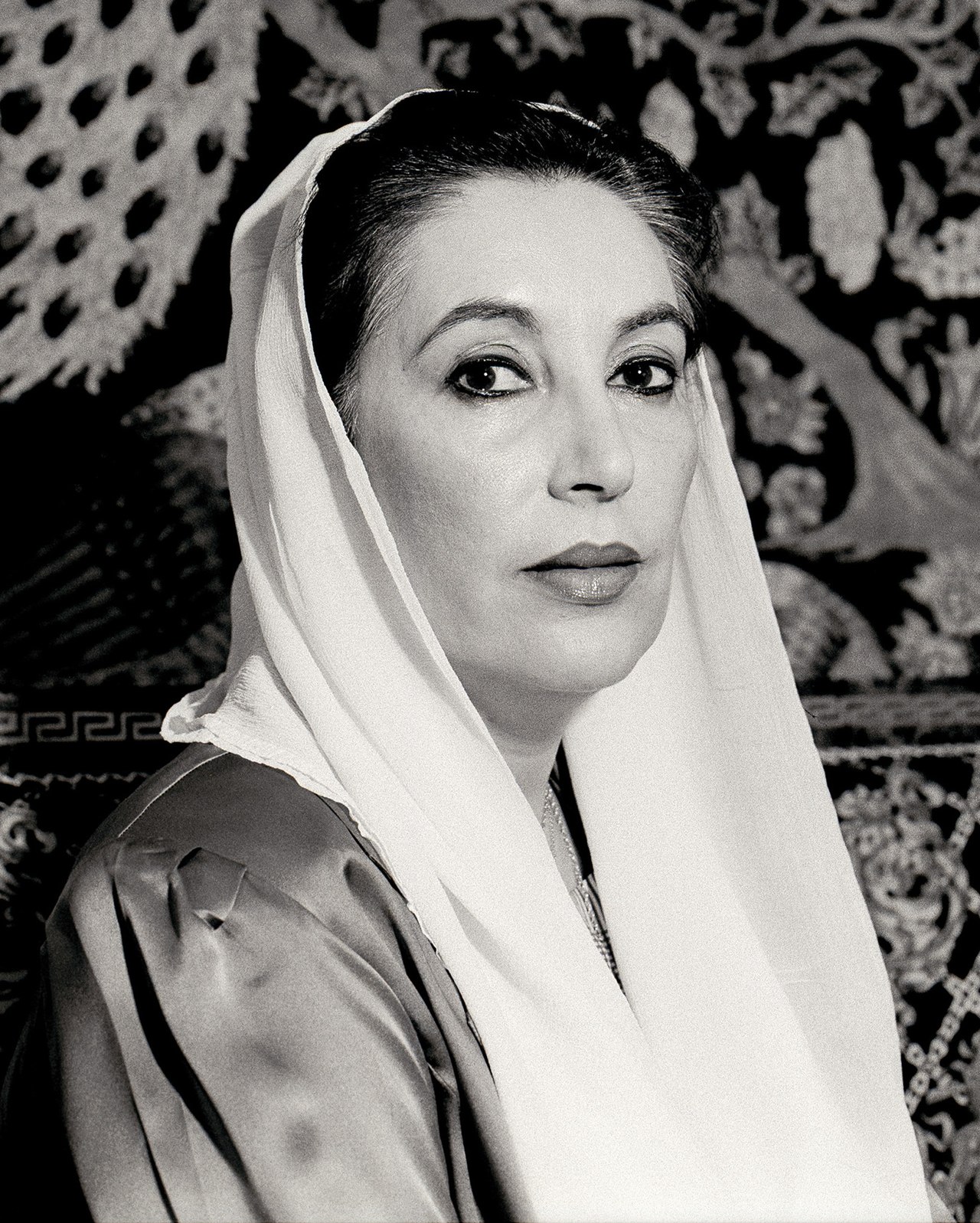
Benazir Bhutto
The first woman to lead a democratic government in a Muslim-majority nation, serving two terms as the Prime Minister of Pakistan and becoming a global icon for democracy.
Giuseppe Garibaldi
Nation Building, Reform & Leadership
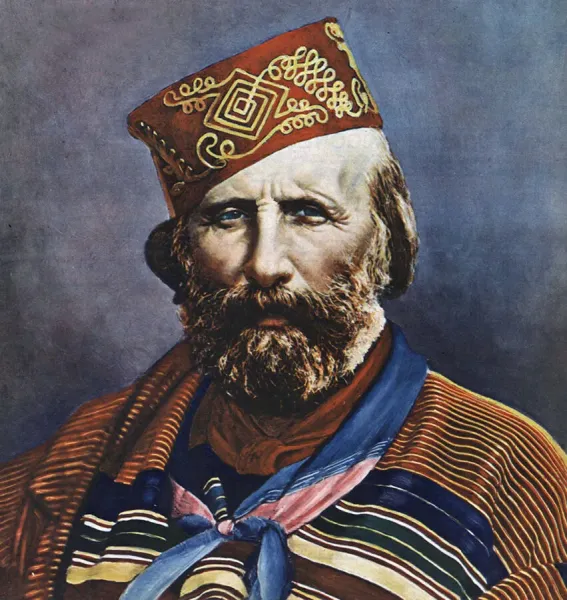
Giuseppe Garibaldi
An Italian general, patriot, and republican who contributed to the Italian unification and the creation of the Kingdom of Italy, known as the "Hero of Two Worlds."
Charles de Gaulle
Nation Building, Reform & Leadership
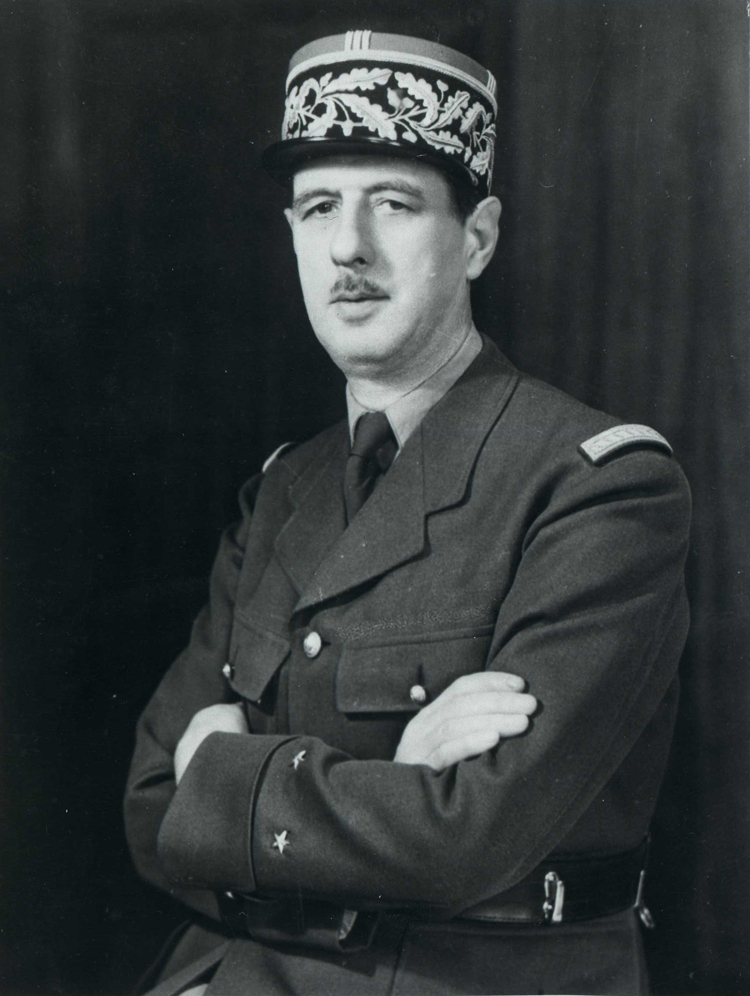
Charles de Gaulle
A French army officer and statesman who led Free France against Nazi Germany and later founded the Fifth Republic, serving as its first President.
Margaret Thatcher
Nation Building, Reform & Leadership
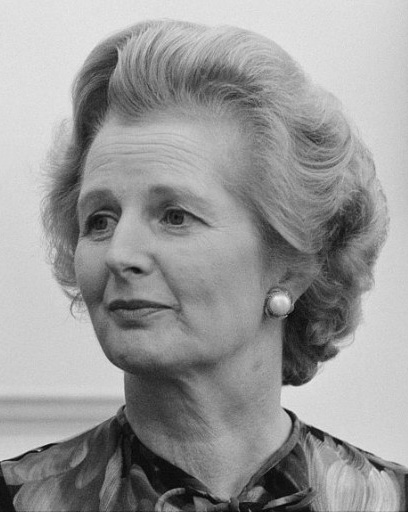
Margaret Thatcher
The first female Prime Minister of the United Kingdom, a formidable leader known for her free-market policies and her uncompromising style of leadership.
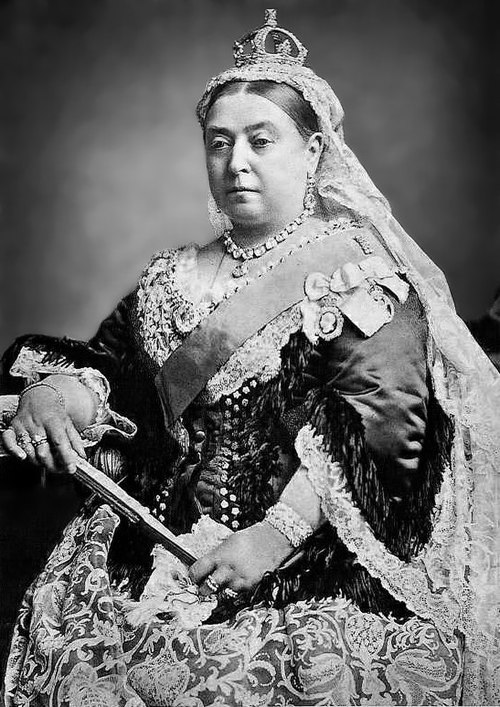
Queen Victoria
Nation Building, Reform & Leadership
Queen Victoria
The Queen of the United Kingdom and Empress of India whose 63-year reign oversaw the peak of the British Industrial Revolution and global imperial expansion.
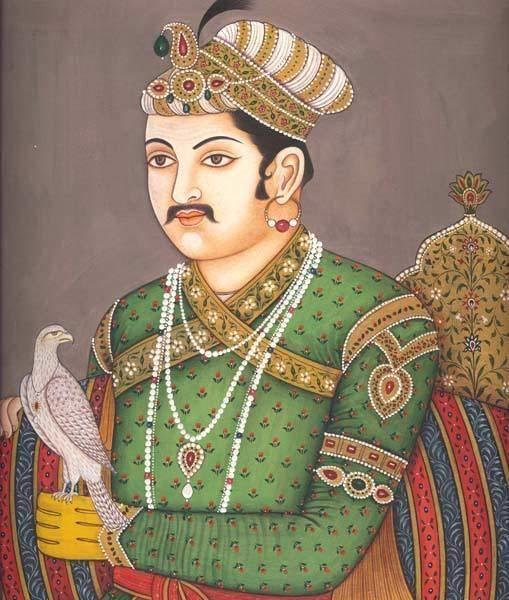
Akbar
Nation Building, Reform & Leadership
Akbar
The third Mughal Emperor who expanded the empire across the Indian subcontinent and is celebrated for his policy of religious tolerance and cultural integration.
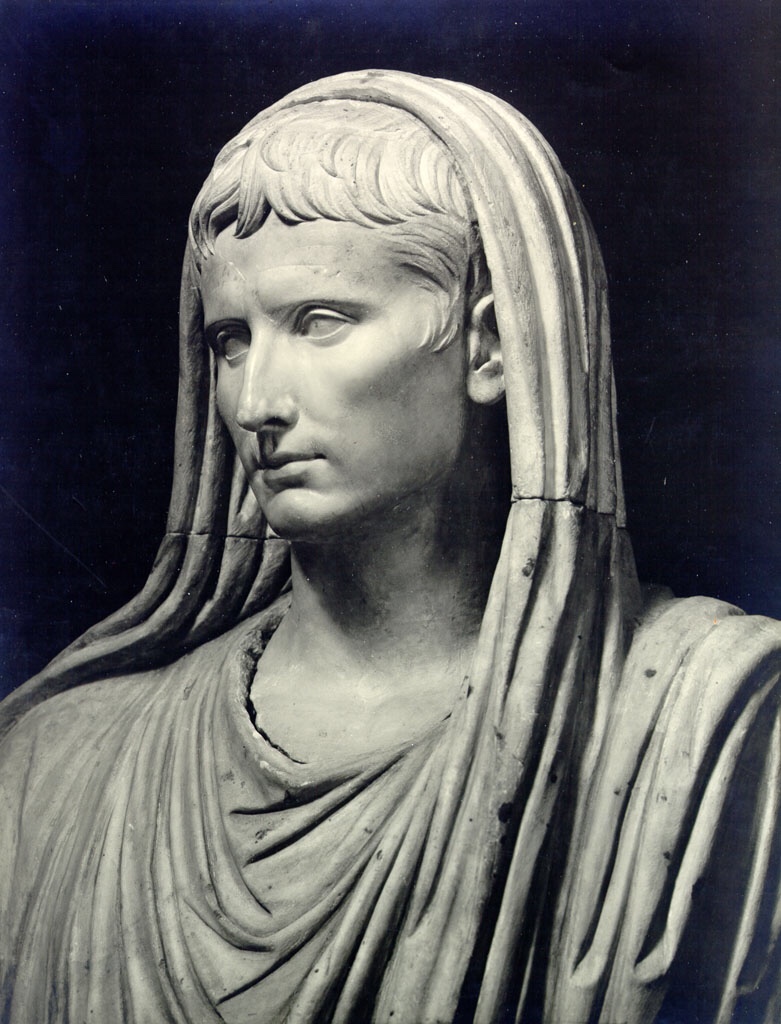
Augustus Caesar
Nation Building, Reform & Leadership
Augustus Caesar
The founder of the Roman Empire who ended the Roman Republic and brought about a long period of stability known as the Pax Romana.
Joan of Arc
Nation Building, Reform & Leadership
Joan of Arc
A peasant girl who became a national heroine of France by leading French forces during the Hundred Years’ War and inspiring victory against English domination.