Loading…
UCOURSELY
Home
Vocabulary
Grammar
Reading
Daily NewsBiography
Listening
Speaking
Writing
IPA
Books
Progress
Dwight Eisenhower Biography | Learn English through Stories
Back
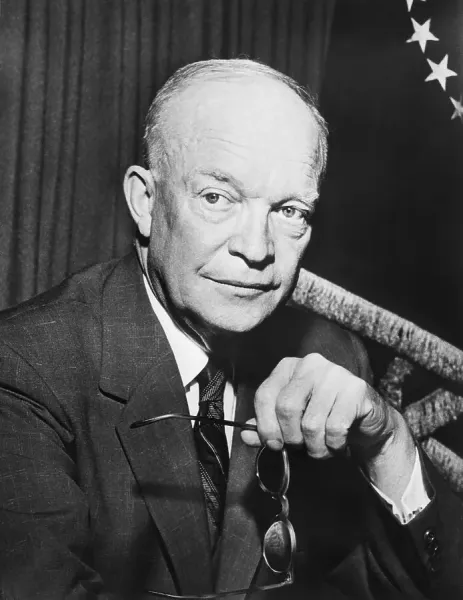
Dwight Eisenhower

Dwight Eisenhower

A five-star general who served as Supreme Commander of the Allied Expeditionary Force in Europe during WWII and later as the 34th President of the United States.

This biography of Dwight Eisenhower helps you learn English through real historical stories.

born1890
died1969
nationalityAmerican
known forCommanding the D-Day invasion and creating the Interstate Highway System
fieldmilitary and politics

Key Takeaways

  • He served as the Supreme Commander of the Allied Expeditionary Force in Europe during WWII
  • He orchestrated the historic 1944 D-Day invasion of Normandy, a major turning point in the war
  • As the 34th US President, he championed the creation of the massive Interstate Highway System
  • In his farewell address, he famously warned the nation against the dangers of the 'military-industrial complex'

Life Timeline

1890
Born in Denison, Texas
1915
Graduated from the United States Military Academy at West Point
1944
Commanded the Allied forces in the successful D-Day invasion of Normandy
1953
Inaugurated as the 34th President of the United States
1956
Signed the Federal-Aid Highway Act, creating the Interstate Highway System
1969
Died in Washington, D.C.

Biography Reading: Dwight Eisenhower

background

Dwight David Eisenhower, affectionately known as "Ike," was born in 1890 in Texas and raised in Kansas. After graduating from West Point in 1915, he steadily rose through the ranks of the United States Army. While he did not see combat during World War I, his exceptional organizational abilities, strategic brilliance, and talent for diplomacy caught the attention of senior military leaders. These skills would prove absolutely vital in managing the complex, often fragile coalition of Allied forces during the Second World War.

achievement

Eisenhower's crowning military achievement came in June 1944. As the Supreme Commander of the Allied Expeditionary Force, he orchestrated Operation Overlord, the massive and historic D-Day invasion of Normandy, France. This monumental logistical and military undertaking successfully breached "Fortress Europe," fundamentally turning the tide of the war against Nazi Germany. His ability to balance the outsized egos of allied commanders like Patton and Montgomery while executing a flawlessly timed invasion cemented his status as a brilliant military tactician.

impact

Riding a wave of immense popularity, Eisenhower was elected as the 34th President of the United States in 1952. His two terms in office were characterized by relative economic prosperity and a cautious approach to the escalating Cold War, successfully negotiating an end to the Korean War. His most enduring domestic legacy was championing the Federal-Aid Highway Act of 1956, which created the sprawling Interstate Highway System. In his poignant 1961 farewell address, he famously warned the nation about the growing, unchecked influence of the "military-industrial complex."

Essential Vocabulary

coalition
an alliance for combined action, especially a temporary alliance of political parties or nations
orchestrate
plan or coordinate the elements of a situation to produce a desired effect
logistical
relating to the things that must be done to plan and organize a complicated activity
prosperity
the state of being successful usually by making a lot of money
escalate
increase rapidly; become or cause to become more intense or serious
complex
a group of similar buildings or facilities on the same site; a related group of repressed or partially repressed concepts

Knowledge Check Quiz

FACTUAL1 / 4

What major domestic infrastructure project did Eisenhower champion during his presidency?

Flashcards

Flashcard
What rank and title did Dwight D. Eisenhower hold during WWII?
Five-star general and Supreme Commander of the Allied Expeditionary Force.
1 / 9
Learn more

Abraham Lincoln
Nation Building, Reform & Leadership
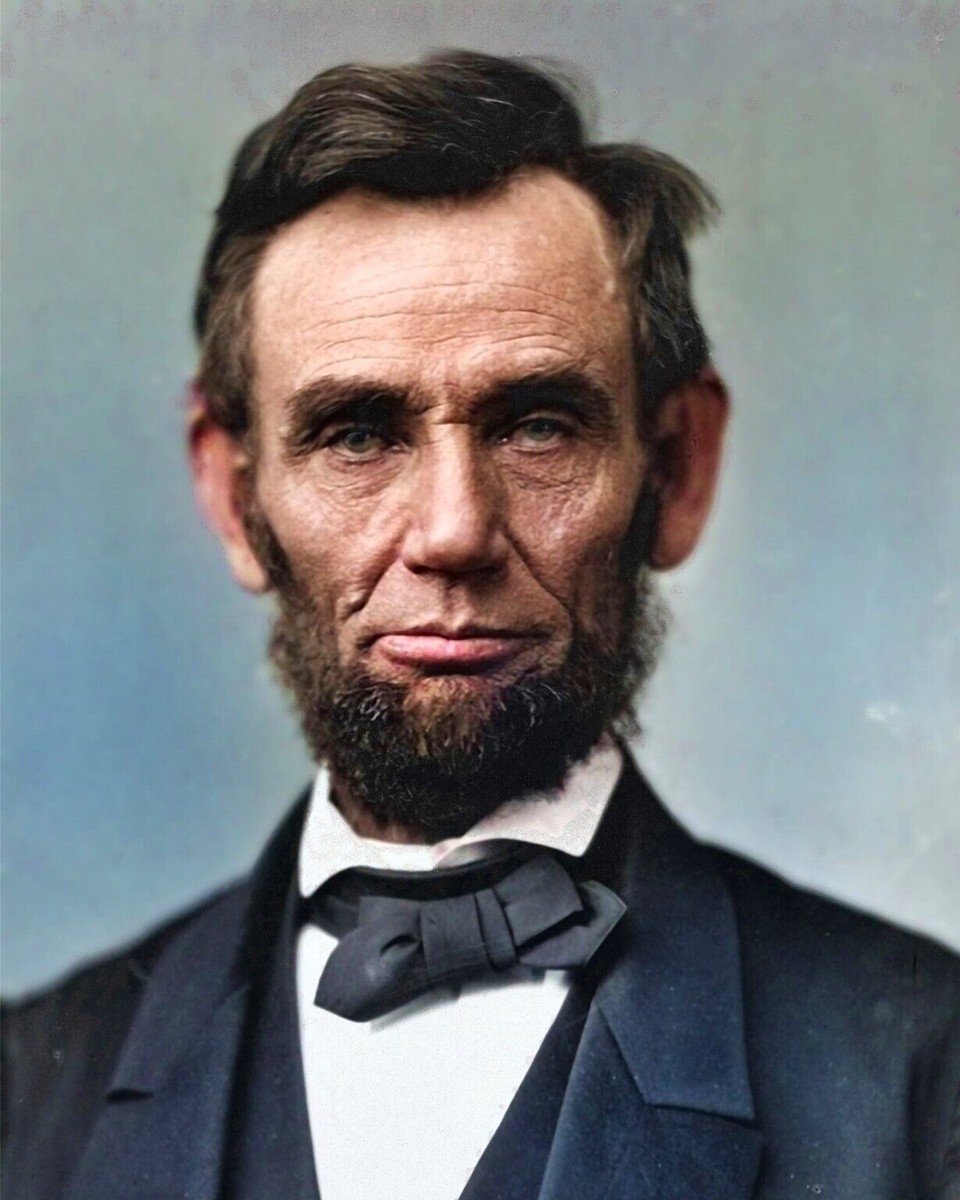
Abraham Lincoln
The 16th President of the United States who successfully preserved the Union during the American Civil War and issued the Emancipation Proclamation, beginning the process to end slavery.
George Washington
Nation Building, Reform & Leadership
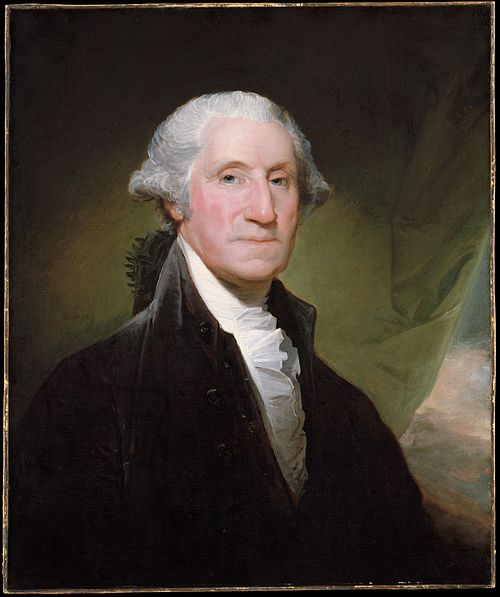
George Washington
The first President of the United States, Commander of the Continental Army during the Revolutionary War, and a Founding Father who set enduring precedents for the American presidency.
Thomas Jefferson
Nation Building, Reform & Leadership
Thomas Jefferson
An American Founding Father, the principal author of the Declaration of Independence, and the third President of the United States who doubled the nation's size.
Franklin D. Roosevelt
Nation Building, Reform & Leadership
Franklin D. Roosevelt
The 32nd President of the United States who guided the nation through the Great Depression with his New Deal programs and led the country to victory in World War II.
Winston Churchill
Nation Building, Reform & Leadership
Winston Churchill
A British statesman, soldier, and writer who served as Prime Minister twice and famously led the United Kingdom to victory in the Second World War.
Mikhail Gorbachev
Nation Building, Reform & Leadership
Mikhail Gorbachev
The final leader of the Soviet Union whose reform policies of glasnost and perestroika led to the peaceful end of the Cold War and the dissolution of the USSR.
Simon Bolivar
Nation Building, Reform & Leadership
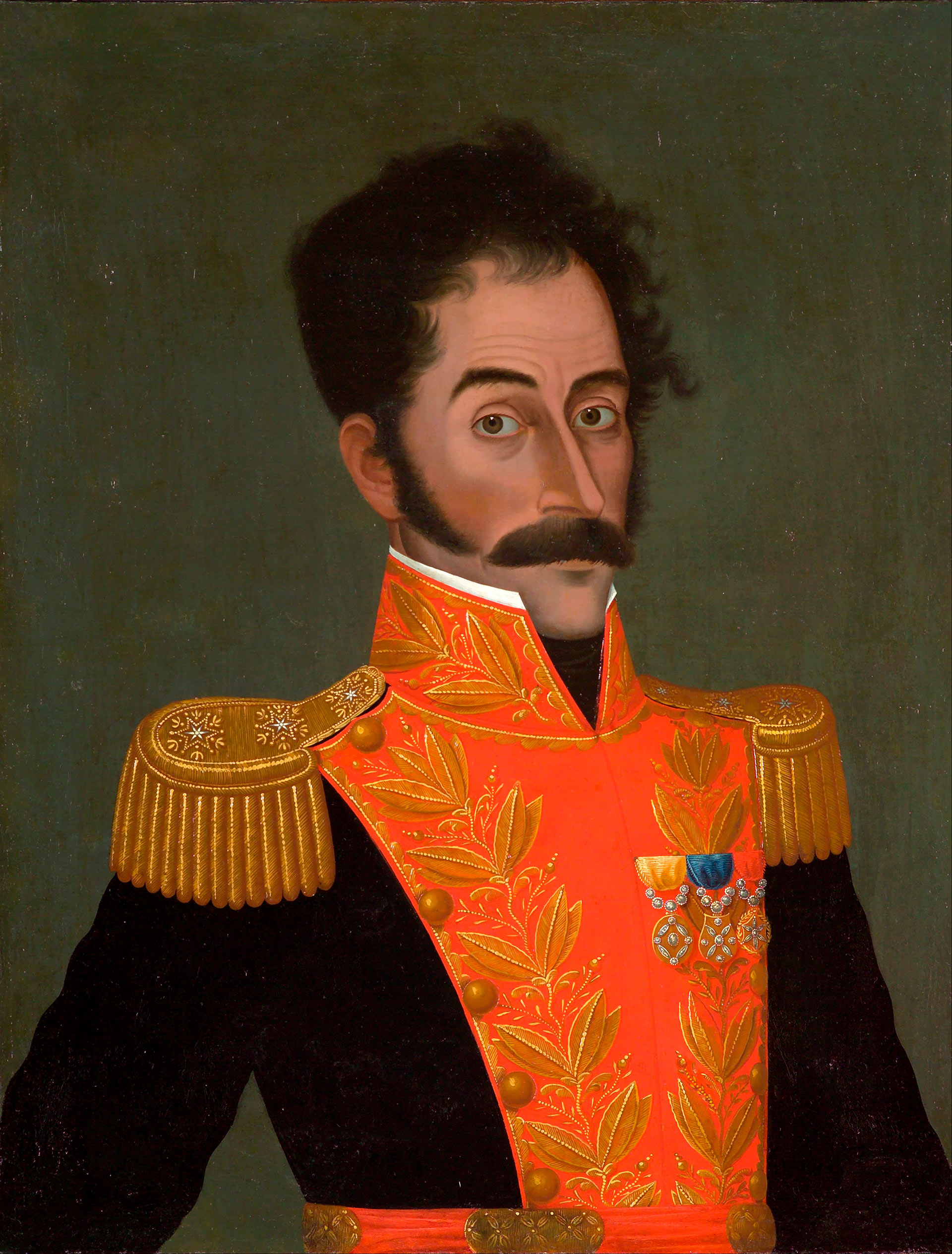
Simon Bolivar
A Venezuelan military and political leader who played a central role in South America's successful struggle for independence from the Spanish Empire.
Konrad Adenauer
Nation Building, Reform & Leadership
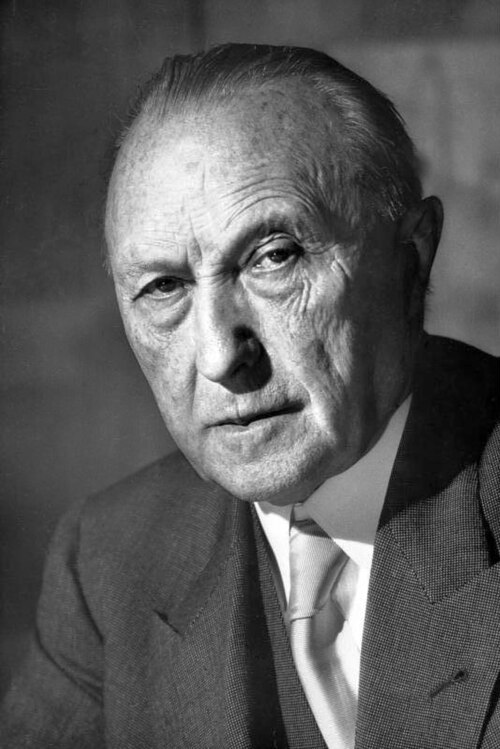
Konrad Adenauer
The first Chancellor of West Germany who led the nation's remarkable recovery from the ruins of World War II and integrated it into the Western alliance.
Jawaharlal Nehru
Nation Building, Reform & Leadership
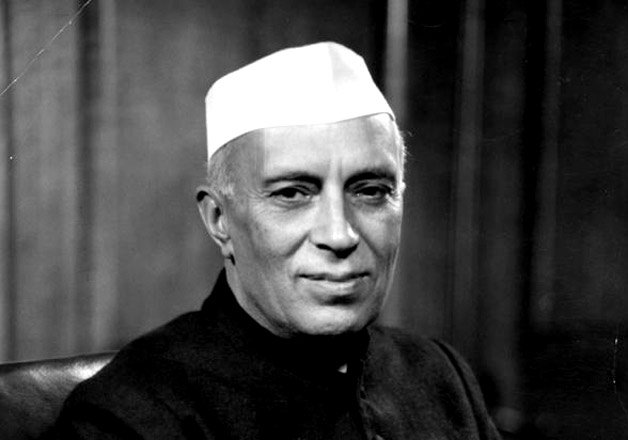
Jawaharlal Nehru
A pivotal leader of the Indian independence movement and the first Prime Minister of independent India, known as the architect of the modern Indian nation-state.
Woodrow Wilson
Nation Building, Reform & Leadership
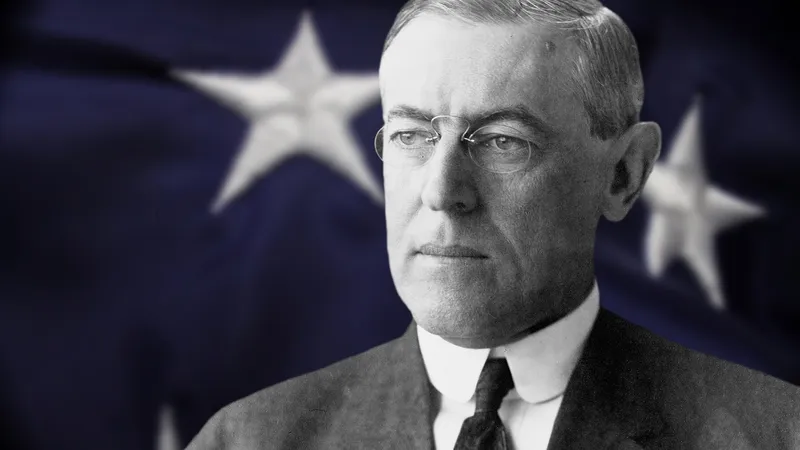
Woodrow Wilson
The 28th President of the United States who led the nation through World War I and championed the League of Nations, laying the groundwork for modern international cooperation.
Ataturk
Nation Building, Reform & Leadership
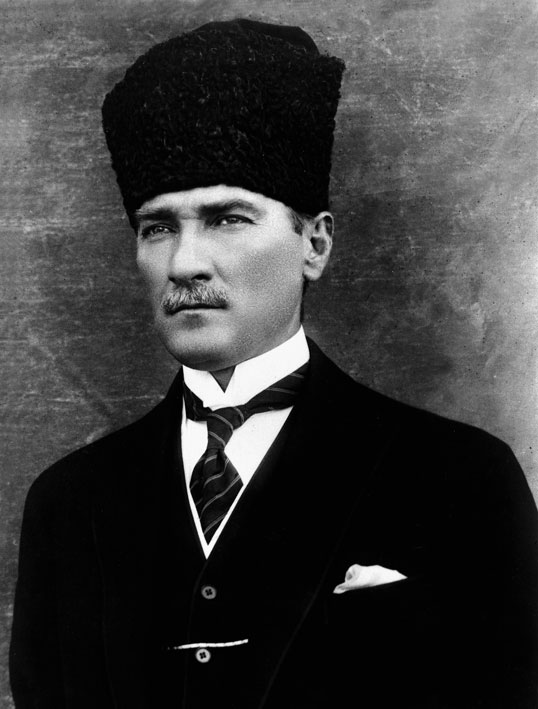
Ataturk
A Turkish field marshal, revolutionary statesman, and the founding father of the Republic of Turkey who implemented sweeping progressive reforms to modernize his country.
John F. Kennedy
Nation Building, Reform & Leadership
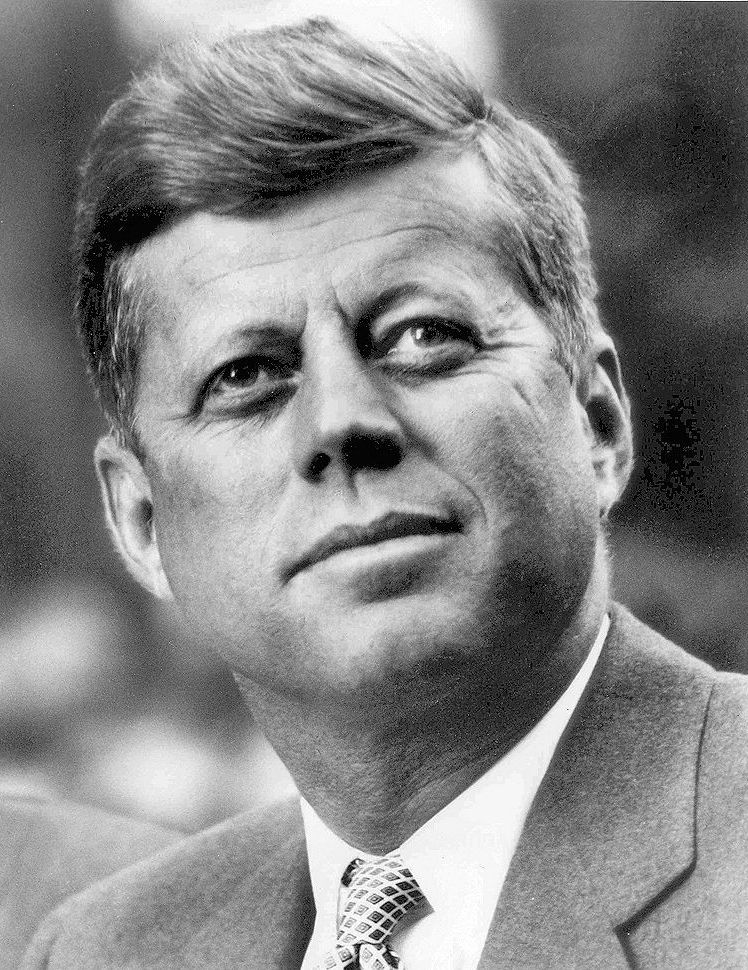
John F. Kennedy
The 35th President of the United States, a charismatic leader who navigated the Cold War's most dangerous moments and inspired a generation with his "New Frontier" vision.
Indira Gandhi
Nation Building, Reform & Leadership
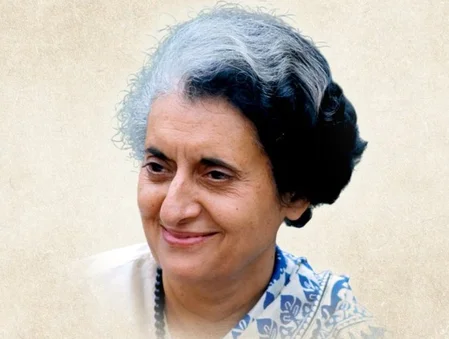
Indira Gandhi
The first and only female Prime Minister of India to date, a polarizing yet powerful leader who transformed India into a regional hegemon and achieved food security.
Benazir Bhutto
Nation Building, Reform & Leadership
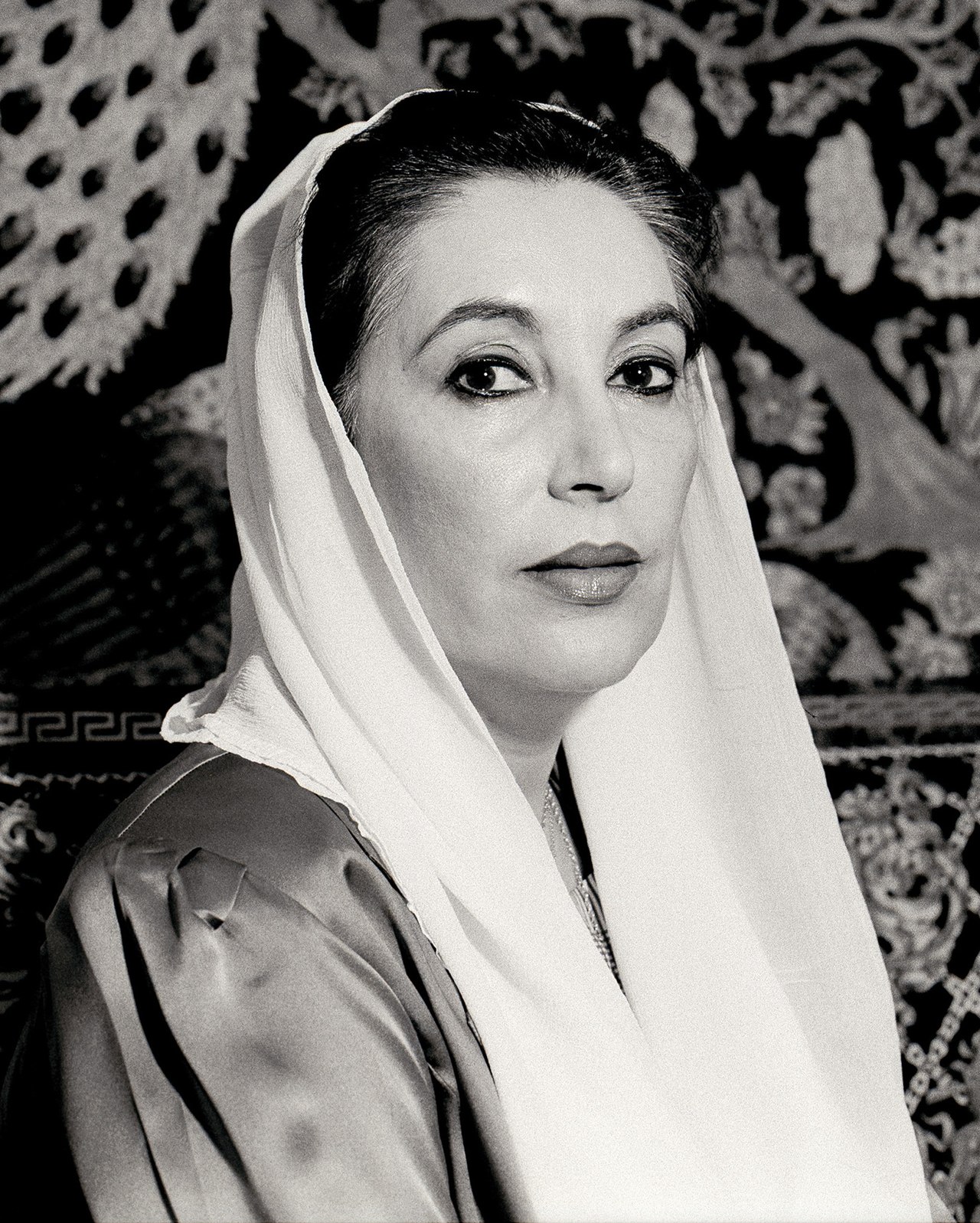
Benazir Bhutto
The first woman to lead a democratic government in a Muslim-majority nation, serving two terms as the Prime Minister of Pakistan and becoming a global icon for democracy.
Giuseppe Garibaldi
Nation Building, Reform & Leadership
Giuseppe Garibaldi
An Italian general, patriot, and republican who contributed to the Italian unification and the creation of the Kingdom of Italy, known as the "Hero of Two Worlds."
Charles de Gaulle
Nation Building, Reform & Leadership
Charles de Gaulle
A French army officer and statesman who led Free France against Nazi Germany and later founded the Fifth Republic, serving as its first President.
Margaret Thatcher
Nation Building, Reform & Leadership
Margaret Thatcher
The first female Prime Minister of the United Kingdom, a formidable leader known for her free-market policies and her uncompromising style of leadership.
Queen Victoria
Nation Building, Reform & Leadership
Queen Victoria
The Queen of the United Kingdom and Empress of India whose 63-year reign oversaw the peak of the British Industrial Revolution and global imperial expansion.
Akbar
Nation Building, Reform & Leadership
Akbar
The third Mughal Emperor who expanded the empire across the Indian subcontinent and is celebrated for his policy of religious tolerance and cultural integration.
Augustus Caesar
Nation Building, Reform & Leadership
Augustus Caesar
The founder of the Roman Empire who ended the Roman Republic and brought about a long period of stability known as the Pax Romana.
Joan of Arc
Nation Building, Reform & Leadership
Joan of Arc
A peasant girl who became a national heroine of France by leading French forces during the Hundred Years’ War and inspiring victory against English domination.