Loading…
UCOURSELY
Home
Vocabulary
Grammar
Reading
Daily NewsBiography
Listening
Speaking
Writing
IPA
Books
Progress
Queen Victoria Biography | Learn English through Stories
Back
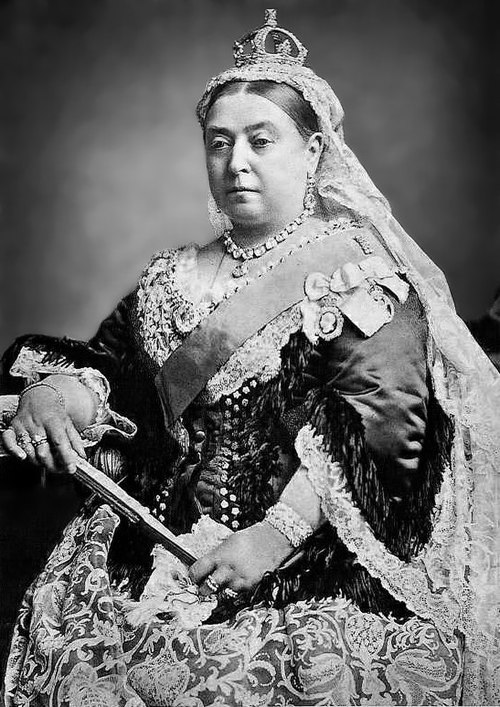
Queen Victoria

Queen Victoria

The Queen of the United Kingdom and Empress of India whose 63-year reign oversaw the peak of the British Industrial Revolution and global imperial expansion.

This biography of Queen Victoria helps you learn English through real historical stories.

born1819
died1901
nationalityBritish
known forDefining the Victorian Era and presiding over the vast expansion of the British Empire
fieldmonarchy and leadership

Key Takeaways

  • She was the longest-reigning British monarch until the 21st century
  • She presided over the Industrial Revolution and the height of the British Empire
  • She was proclaimed Empress of India in 1876
  • The entire period of her reign is known as the Victorian Era, marked by strict moral values

Life Timeline

1819
Born in Kensington Palace, London
1837
Ascended to the British throne at the age of 18
1840
Married her cousin, Prince Albert of Saxe-Coburg and Gotha
1851
Supported the Great Exhibition, showcasing British industrial power
1876
Proclaimed Empress of India
1901
Died at Osborne House, Isle of Wight

Biography Reading: Queen Victoria

background

Alexandrina Victoria was born in 1819, at a time when the British monarchy's reputation was at a low ebb. She became Queen in 1837 upon the death of her uncle, William IV. Her early reign was deeply influenced by her husband, Prince Albert, whose interest in social reform and technological progress helped steer Britain toward its industrial future. Together, they promoted a domestic ideal of family life and moral rectitude that became the hallmark of the "Victorian" middle class.

achievement

The Victorian Era was characterized by unprecedented industrial, scientific, and cultural change. Under Victoria's reign, the British Empire expanded to cover one-fifth of the Earth's land surface, making her the "Empress of India" in 1876. This period of "Pax Britannica" saw Britain become the world's leading superpower, fueled by the steam engine, the growth of railways, and a vast naval fleet. Despite the immense wealth generated, the era also faced deep social challenges, including harsh working conditions and the struggle for political representation among the working class.

impact

Victoria's long reign of 63 years—the longest of any British monarch until Queen Elizabeth II—provided a sense of national stability and continuity during a century of upheaval. Following Prince Albert's death in 1861, she famously wore black in mourning for the rest of her life, withdrawing into a period of seclusion before re-emerging as a beloved "Grandmother of Europe." Her legacy remains intertwined with the image of British global dominance, industrial innovation, and the rigid moral values that continue to fascinate and influence modern culture.

Essential Vocabulary

monarchy
a form of government with a monarch at the head
rectitude
morally correct behavior or thinking; righteousness
hallmark
a distinctive feature, especially one of excellence
unprecedented
never done or known before
upheaval
a violent or sudden change or disruption to something
seclusion
the state of being private and away from other people

Knowledge Check Quiz

FACTUAL1 / 4

What title was given to Queen Victoria in 1876, highlighting the expansion of the British Empire?

Flashcards

Flashcard
Which British Queen defined an entire 19th-century era of industrial expansion?
Queen Victoria.
1 / 9
Learn more

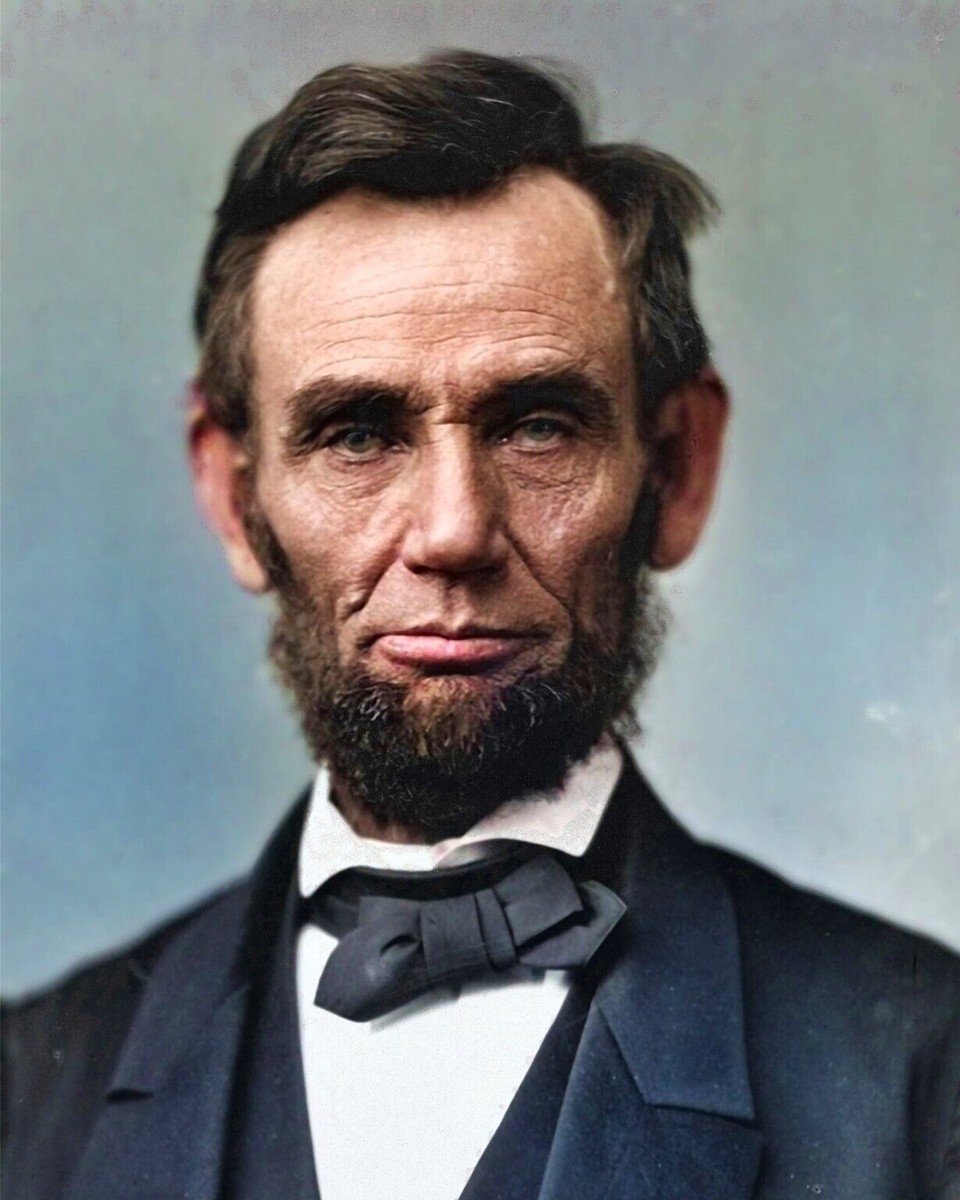
Abraham Lincoln
Nation Building, Reform & Leadership
Abraham Lincoln
The 16th President of the United States who successfully preserved the Union during the American Civil War and issued the Emancipation Proclamation, beginning the process to end slavery.
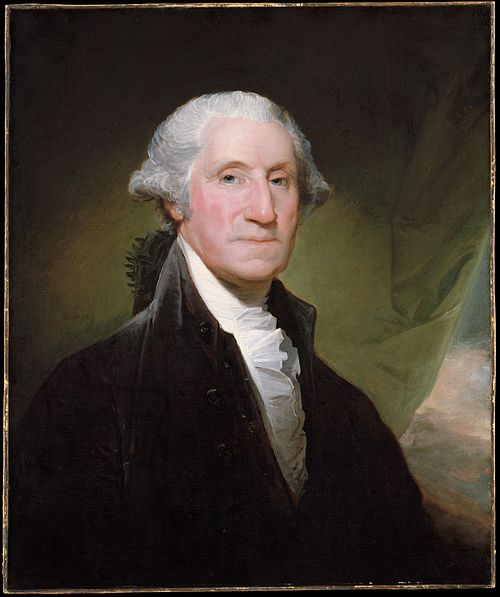
George Washington
Nation Building, Reform & Leadership
George Washington
The first President of the United States, Commander of the Continental Army during the Revolutionary War, and a Founding Father who set enduring precedents for the American presidency.
Thomas Jefferson
Nation Building, Reform & Leadership
Thomas Jefferson
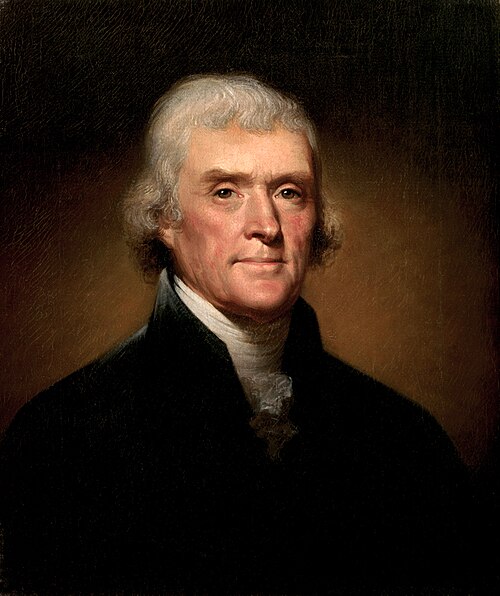
An American Founding Father, the principal author of the Declaration of Independence, and the third President of the United States who doubled the nation's size.
Franklin D. Roosevelt
Nation Building, Reform & Leadership
Franklin D. Roosevelt
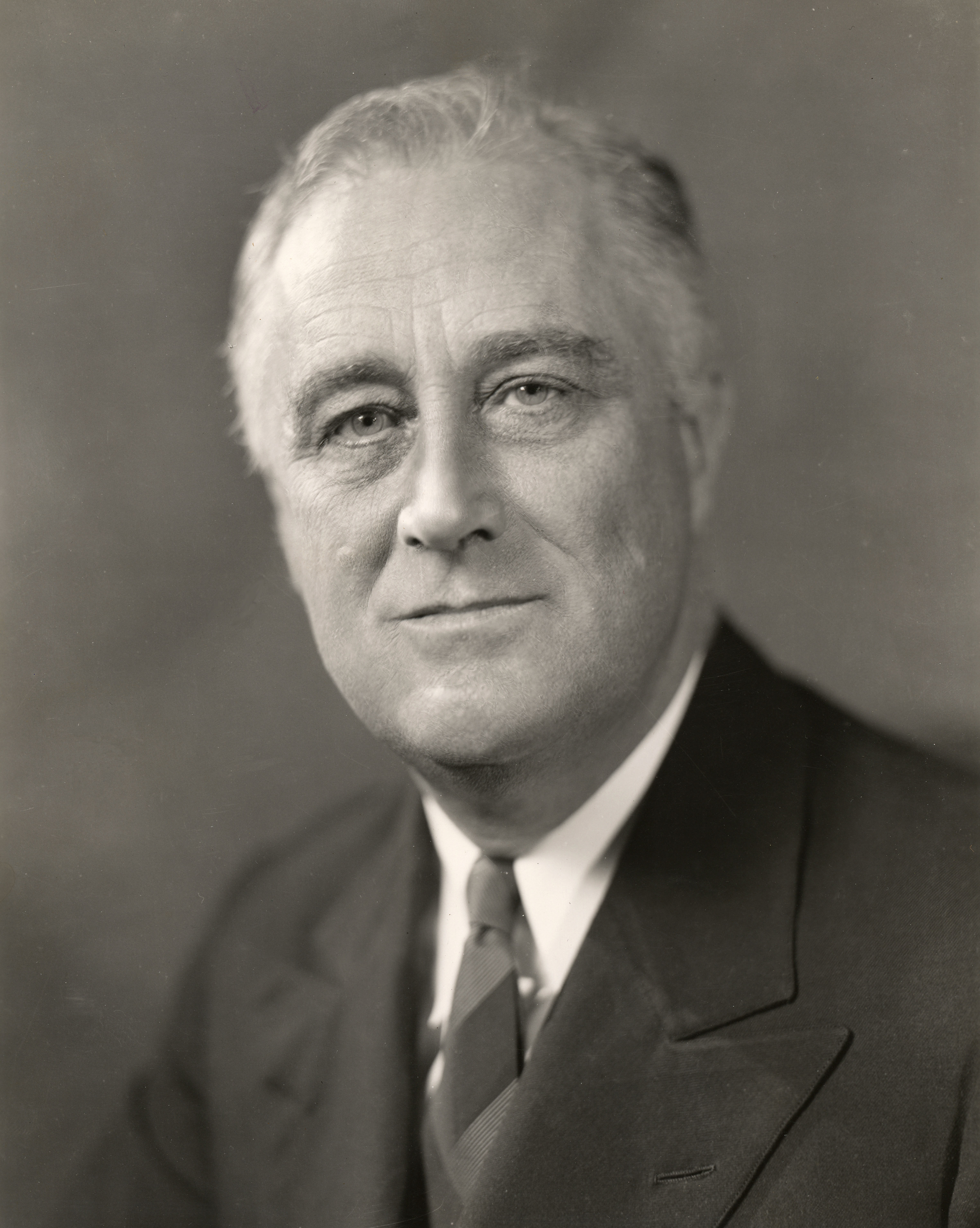
The 32nd President of the United States who guided the nation through the Great Depression with his New Deal programs and led the country to victory in World War II.
Winston Churchill
Nation Building, Reform & Leadership
Winston Churchill
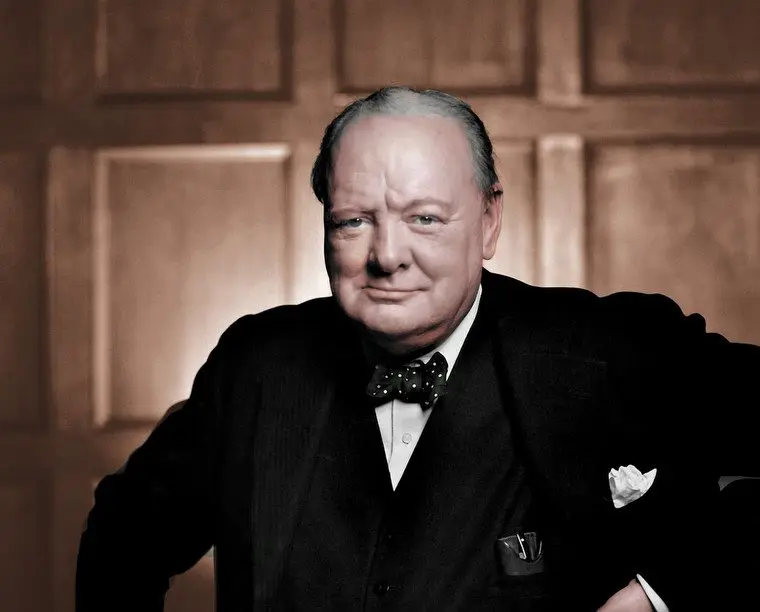
A British statesman, soldier, and writer who served as Prime Minister twice and famously led the United Kingdom to victory in the Second World War.
Dwight Eisenhower
Nation Building, Reform & Leadership
Dwight Eisenhower
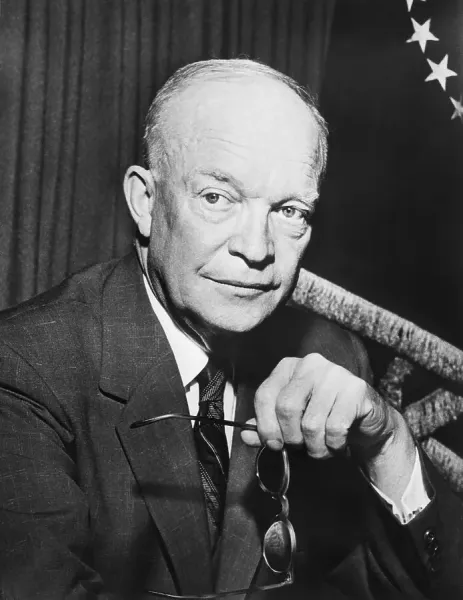
A five-star general who served as Supreme Commander of the Allied Expeditionary Force in Europe during WWII and later as the 34th President of the United States.
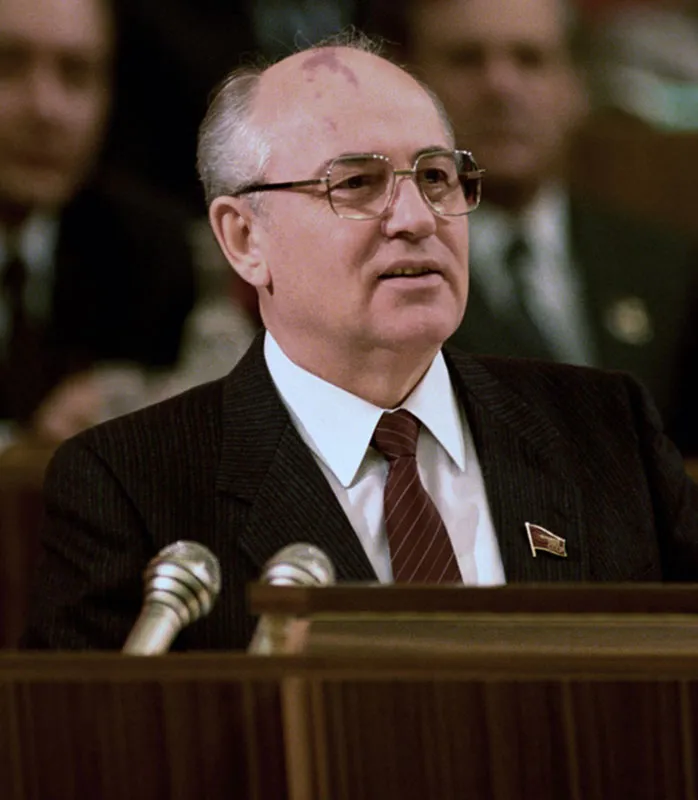
Mikhail Gorbachev
Nation Building, Reform & Leadership
Mikhail Gorbachev
The final leader of the Soviet Union whose reform policies of glasnost and perestroika led to the peaceful end of the Cold War and the dissolution of the USSR.
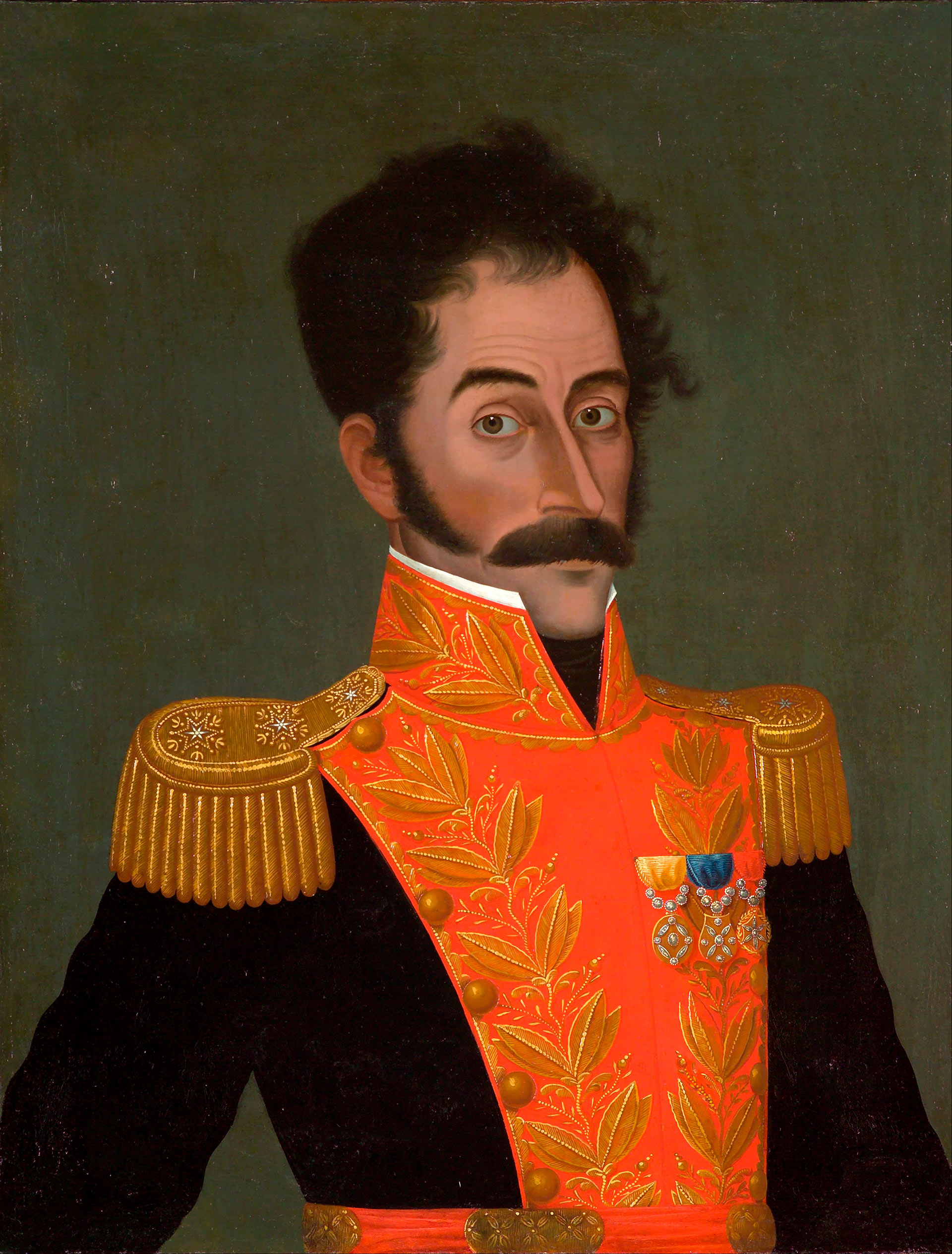
Simon Bolivar
Nation Building, Reform & Leadership
Simon Bolivar
A Venezuelan military and political leader who played a central role in South America's successful struggle for independence from the Spanish Empire.
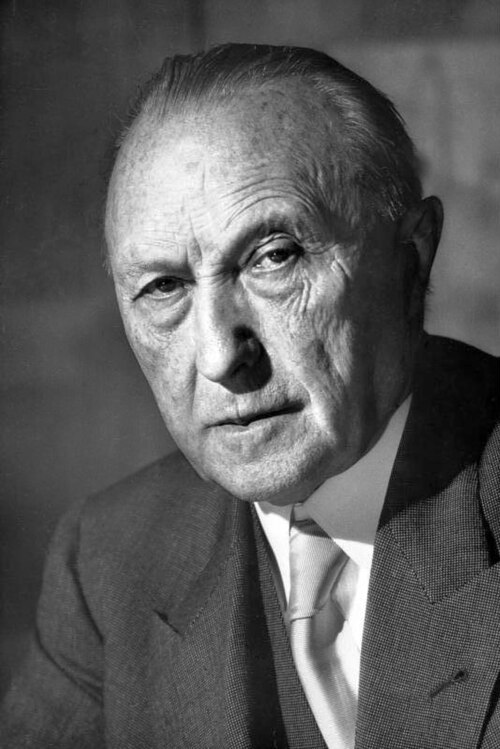
Konrad Adenauer
Nation Building, Reform & Leadership
Konrad Adenauer
The first Chancellor of West Germany who led the nation's remarkable recovery from the ruins of World War II and integrated it into the Western alliance.
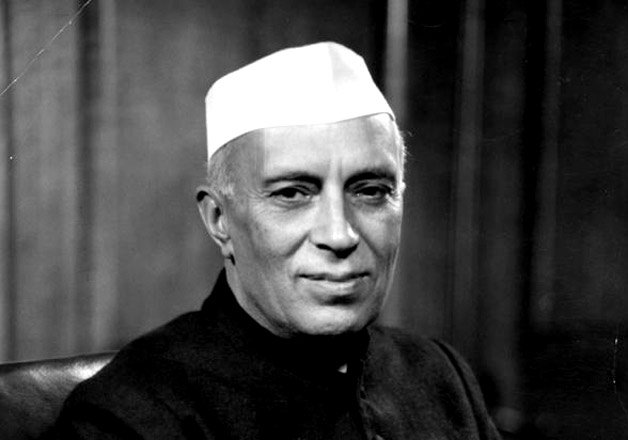
Jawaharlal Nehru
Nation Building, Reform & Leadership
Jawaharlal Nehru
A pivotal leader of the Indian independence movement and the first Prime Minister of independent India, known as the architect of the modern Indian nation-state.
Woodrow Wilson
Nation Building, Reform & Leadership
Woodrow Wilson
The 28th President of the United States who led the nation through World War I and championed the League of Nations, laying the groundwork for modern international cooperation.
Ataturk
Nation Building, Reform & Leadership
Ataturk
A Turkish field marshal, revolutionary statesman, and the founding father of the Republic of Turkey who implemented sweeping progressive reforms to modernize his country.
John F. Kennedy
Nation Building, Reform & Leadership
John F. Kennedy
The 35th President of the United States, a charismatic leader who navigated the Cold War's most dangerous moments and inspired a generation with his "New Frontier" vision.
Indira Gandhi
Nation Building, Reform & Leadership
Indira Gandhi
The first and only female Prime Minister of India to date, a polarizing yet powerful leader who transformed India into a regional hegemon and achieved food security.
Benazir Bhutto
Nation Building, Reform & Leadership
Benazir Bhutto
The first woman to lead a democratic government in a Muslim-majority nation, serving two terms as the Prime Minister of Pakistan and becoming a global icon for democracy.
Giuseppe Garibaldi
Nation Building, Reform & Leadership
Giuseppe Garibaldi
An Italian general, patriot, and republican who contributed to the Italian unification and the creation of the Kingdom of Italy, known as the "Hero of Two Worlds."
Charles de Gaulle
Nation Building, Reform & Leadership
Charles de Gaulle
A French army officer and statesman who led Free France against Nazi Germany and later founded the Fifth Republic, serving as its first President.
Margaret Thatcher
Nation Building, Reform & Leadership
Margaret Thatcher
The first female Prime Minister of the United Kingdom, a formidable leader known for her free-market policies and her uncompromising style of leadership.
Akbar
Nation Building, Reform & Leadership
Akbar
The third Mughal Emperor who expanded the empire across the Indian subcontinent and is celebrated for his policy of religious tolerance and cultural integration.
Augustus Caesar
Nation Building, Reform & Leadership
Augustus Caesar
The founder of the Roman Empire who ended the Roman Republic and brought about a long period of stability known as the Pax Romana.
Joan of Arc
Nation Building, Reform & Leadership
Joan of Arc
A peasant girl who became a national heroine of France by leading French forces during the Hundred Years’ War and inspiring victory against English domination.