Loading…
UCOURSELY
Home
Vocabulary
Grammar
Reading
Daily NewsBiography
Listening
Speaking
Writing
IPA
Books
Progress
Thomas Jefferson Biography | Learn English through Stories
Back
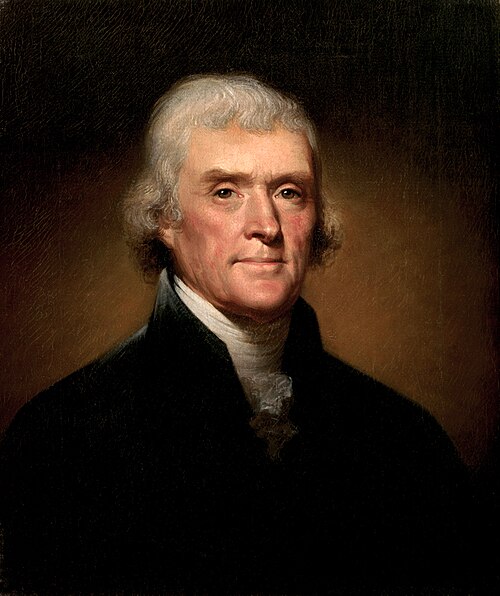
Thomas Jefferson

Thomas Jefferson

An American Founding Father, the principal author of the Declaration of Independence, and the third President of the United States who doubled the nation's size.

This biography of Thomas Jefferson helps you learn English through real historical stories.

born1743
died1826
nationalityAmerican
known forDrafting the Declaration of Independence and orchestrating the Louisiana Purchase
fieldpolitics and nation building

Key Takeaways

  • He was the principal author of the 1776 Declaration of Independence, articulating the foundation of American democracy
  • He served as the 3rd President of the United States, orchestrating the 1803 Louisiana Purchase to double the nation's size
  • His legacy involves a profound paradox, as the man who wrote 'all men are created equal' was also a lifelong slave owner
  • He was a brilliant polymath who founded the University of Virginia after retiring from politics

Life Timeline

1743
Born in Shadwell, Virginia
1776
Drafted the United States Declaration of Independence
1789
Served as the first US Secretary of State
1801
Inaugurated as the 3rd President of the United States
1803
Orchestrated the Louisiana Purchase, doubling the size of the country
1826
Died at his Monticello estate on the 50th anniversary of the Declaration

Biography Reading: Thomas Jefferson

background

Thomas Jefferson was born in 1743 in Virginia into a wealthy planter family. A brilliant polymath with deep interests in architecture, science, and philosophy, he emerged as a leading voice of the American Enlightenment. In 1776, at just 33 years old, he was tasked with drafting the United States Declaration of Independence. His immortal words, asserting that all men are created equal and endowed with "certain unalienable Rights," laid the philosophical and moral foundation for the new American republic and inspired democratic movements worldwide.

achievement

Following the Revolutionary War, Jefferson served as the first U.S. Secretary of State under George Washington and later became the third President of the United States in 1801. His presidency was defined by his vision of an "empire of liberty" and an agrarian society. His most significant presidential achievement was orchestrating the Louisiana Purchase in 1803, buying a vast territory from France for a mere $15 million, effectively doubling the size of the United States and securing its westward expansion.

impact

Despite his soaring rhetoric about liberty and equality, Jefferson's legacy is deeply intertwined with a profound paradox: he was a lifelong slave owner who enslaved over 600 people at his Monticello estate. This contradiction continues to spark intense historical debate. After retiring from politics, he founded the University of Virginia, designing its unique architecture and curriculum. Fittingly, he passed away on July 4, 1826, exactly fifty years after the adoption of the Declaration of Independence, leaving a complex but undeniably foundational mark on American history.

Essential Vocabulary

unalienable
unable to be taken away from or given away by the possessor
agrarian
relating to cultivated land or the cultivation of land
orchestrate
plan or coordinate the elements of a situation to produce a desired effect
expansion
the action of becoming larger or more extensive
paradox
a seemingly absurd or self-contradictory statement or proposition that when investigated or explained may prove to be well founded or true
contradiction
a combination of statements, ideas, or features of a situation that are opposed to one another

Knowledge Check Quiz

FACTUAL1 / 4

What major land acquisition did Thomas Jefferson orchestrate during his presidency?

Flashcards

Flashcard
Who was the principal author of the 1776 Declaration of Independence?
Thomas Jefferson.
1 / 9
Learn more

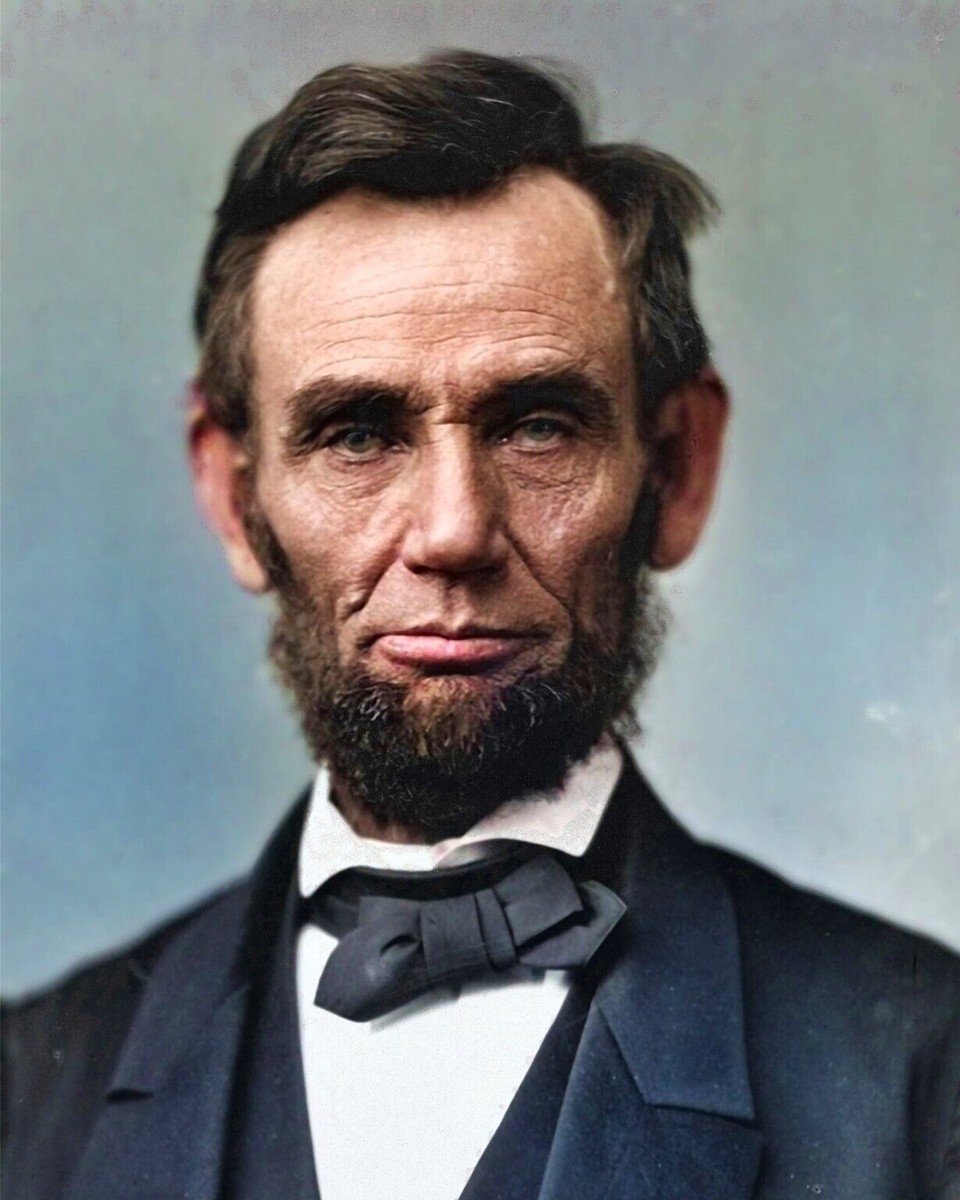
Abraham Lincoln
Nation Building, Reform & Leadership
Abraham Lincoln
The 16th President of the United States who successfully preserved the Union during the American Civil War and issued the Emancipation Proclamation, beginning the process to end slavery.
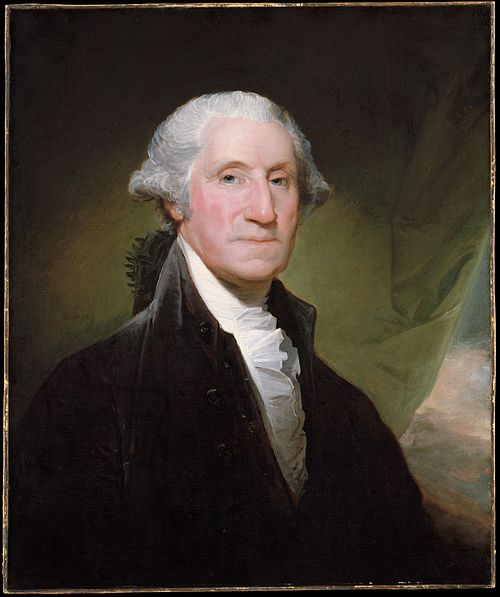
George Washington
Nation Building, Reform & Leadership
George Washington
The first President of the United States, Commander of the Continental Army during the Revolutionary War, and a Founding Father who set enduring precedents for the American presidency.
Franklin D. Roosevelt
Nation Building, Reform & Leadership
Franklin D. Roosevelt
The 32nd President of the United States who guided the nation through the Great Depression with his New Deal programs and led the country to victory in World War II.
Winston Churchill
Nation Building, Reform & Leadership
Winston Churchill
A British statesman, soldier, and writer who served as Prime Minister twice and famously led the United Kingdom to victory in the Second World War.
Dwight Eisenhower
Nation Building, Reform & Leadership
Dwight Eisenhower
A five-star general who served as Supreme Commander of the Allied Expeditionary Force in Europe during WWII and later as the 34th President of the United States.
Mikhail Gorbachev
Nation Building, Reform & Leadership
Mikhail Gorbachev
The final leader of the Soviet Union whose reform policies of glasnost and perestroika led to the peaceful end of the Cold War and the dissolution of the USSR.
Simon Bolivar
Nation Building, Reform & Leadership
Simon Bolivar
A Venezuelan military and political leader who played a central role in South America's successful struggle for independence from the Spanish Empire.
Konrad Adenauer
Nation Building, Reform & Leadership
Konrad Adenauer
The first Chancellor of West Germany who led the nation's remarkable recovery from the ruins of World War II and integrated it into the Western alliance.
Jawaharlal Nehru
Nation Building, Reform & Leadership
Jawaharlal Nehru
A pivotal leader of the Indian independence movement and the first Prime Minister of independent India, known as the architect of the modern Indian nation-state.
Woodrow Wilson
Nation Building, Reform & Leadership
Woodrow Wilson
The 28th President of the United States who led the nation through World War I and championed the League of Nations, laying the groundwork for modern international cooperation.
Ataturk
Nation Building, Reform & Leadership
Ataturk
A Turkish field marshal, revolutionary statesman, and the founding father of the Republic of Turkey who implemented sweeping progressive reforms to modernize his country.
John F. Kennedy
Nation Building, Reform & Leadership
John F. Kennedy
The 35th President of the United States, a charismatic leader who navigated the Cold War's most dangerous moments and inspired a generation with his "New Frontier" vision.
Indira Gandhi
Nation Building, Reform & Leadership
Indira Gandhi
The first and only female Prime Minister of India to date, a polarizing yet powerful leader who transformed India into a regional hegemon and achieved food security.
Benazir Bhutto
Nation Building, Reform & Leadership
Benazir Bhutto
The first woman to lead a democratic government in a Muslim-majority nation, serving two terms as the Prime Minister of Pakistan and becoming a global icon for democracy.
Giuseppe Garibaldi
Nation Building, Reform & Leadership
Giuseppe Garibaldi
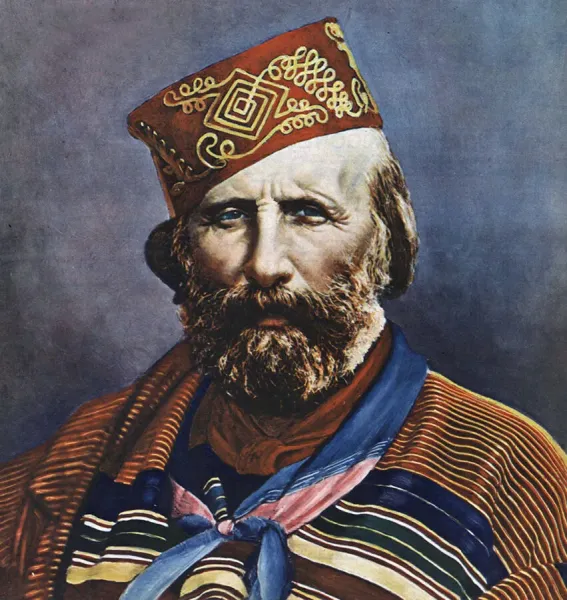
An Italian general, patriot, and republican who contributed to the Italian unification and the creation of the Kingdom of Italy, known as the "Hero of Two Worlds."
Charles de Gaulle
Nation Building, Reform & Leadership
Charles de Gaulle
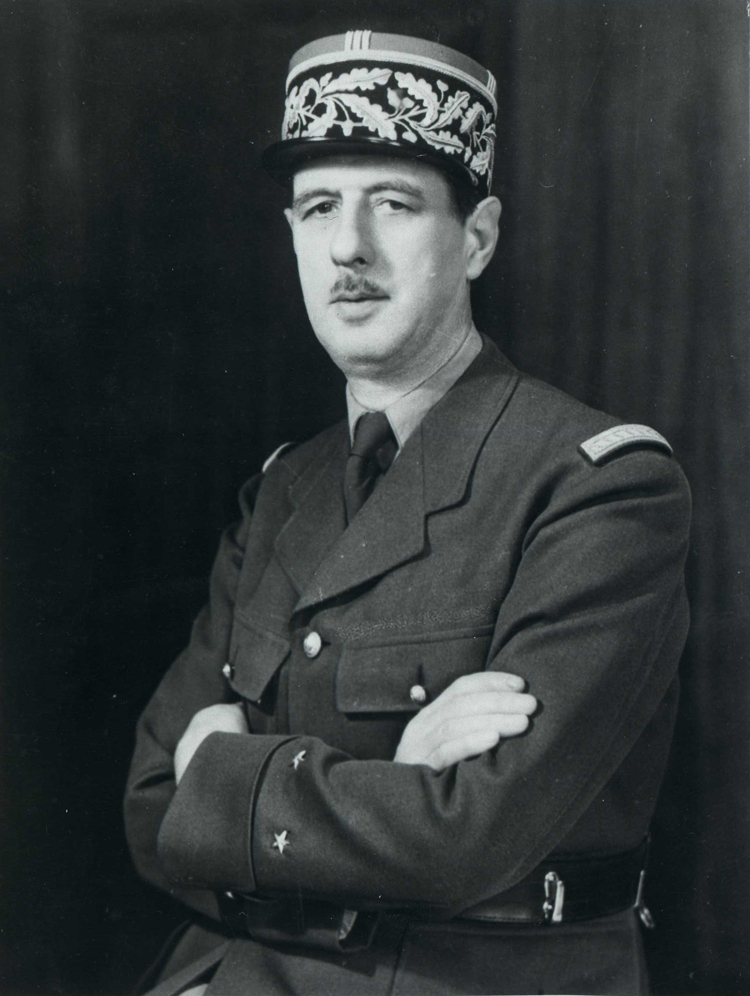
A French army officer and statesman who led Free France against Nazi Germany and later founded the Fifth Republic, serving as its first President.
Margaret Thatcher
Nation Building, Reform & Leadership
Margaret Thatcher
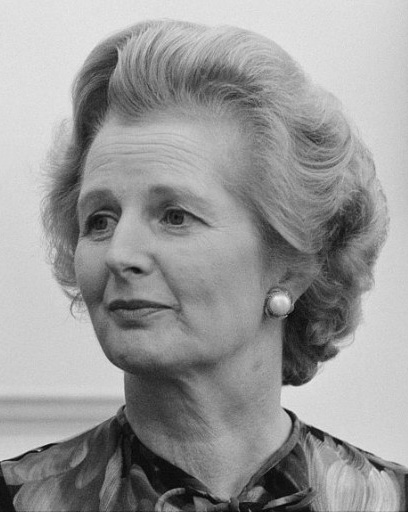
The first female Prime Minister of the United Kingdom, a formidable leader known for her free-market policies and her uncompromising style of leadership.
Queen Victoria
Nation Building, Reform & Leadership
Queen Victoria
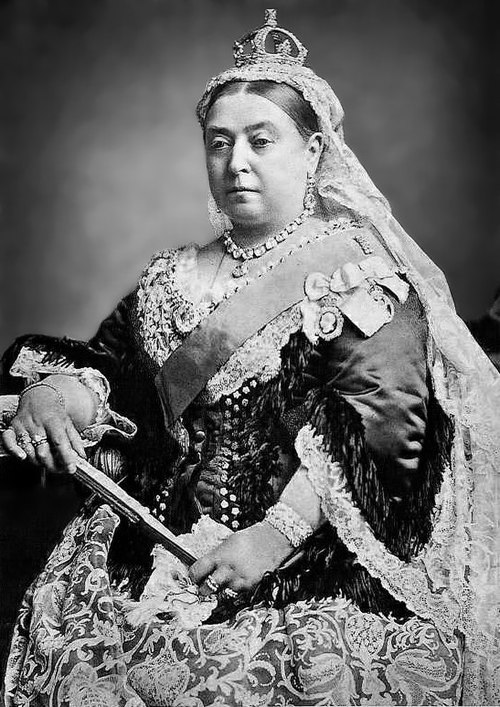
The Queen of the United Kingdom and Empress of India whose 63-year reign oversaw the peak of the British Industrial Revolution and global imperial expansion.
Akbar
Nation Building, Reform & Leadership
Akbar
The third Mughal Emperor who expanded the empire across the Indian subcontinent and is celebrated for his policy of religious tolerance and cultural integration.
Augustus Caesar
Nation Building, Reform & Leadership
Augustus Caesar
The founder of the Roman Empire who ended the Roman Republic and brought about a long period of stability known as the Pax Romana.
Joan of Arc
Nation Building, Reform & Leadership
Joan of Arc
A peasant girl who became a national heroine of France by leading French forces during the Hundred Years’ War and inspiring victory against English domination.