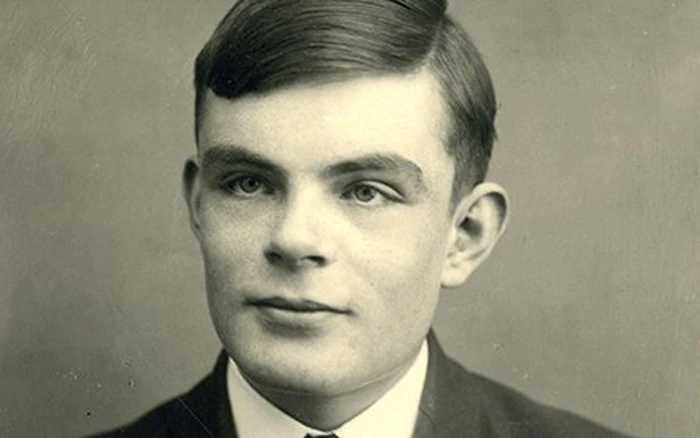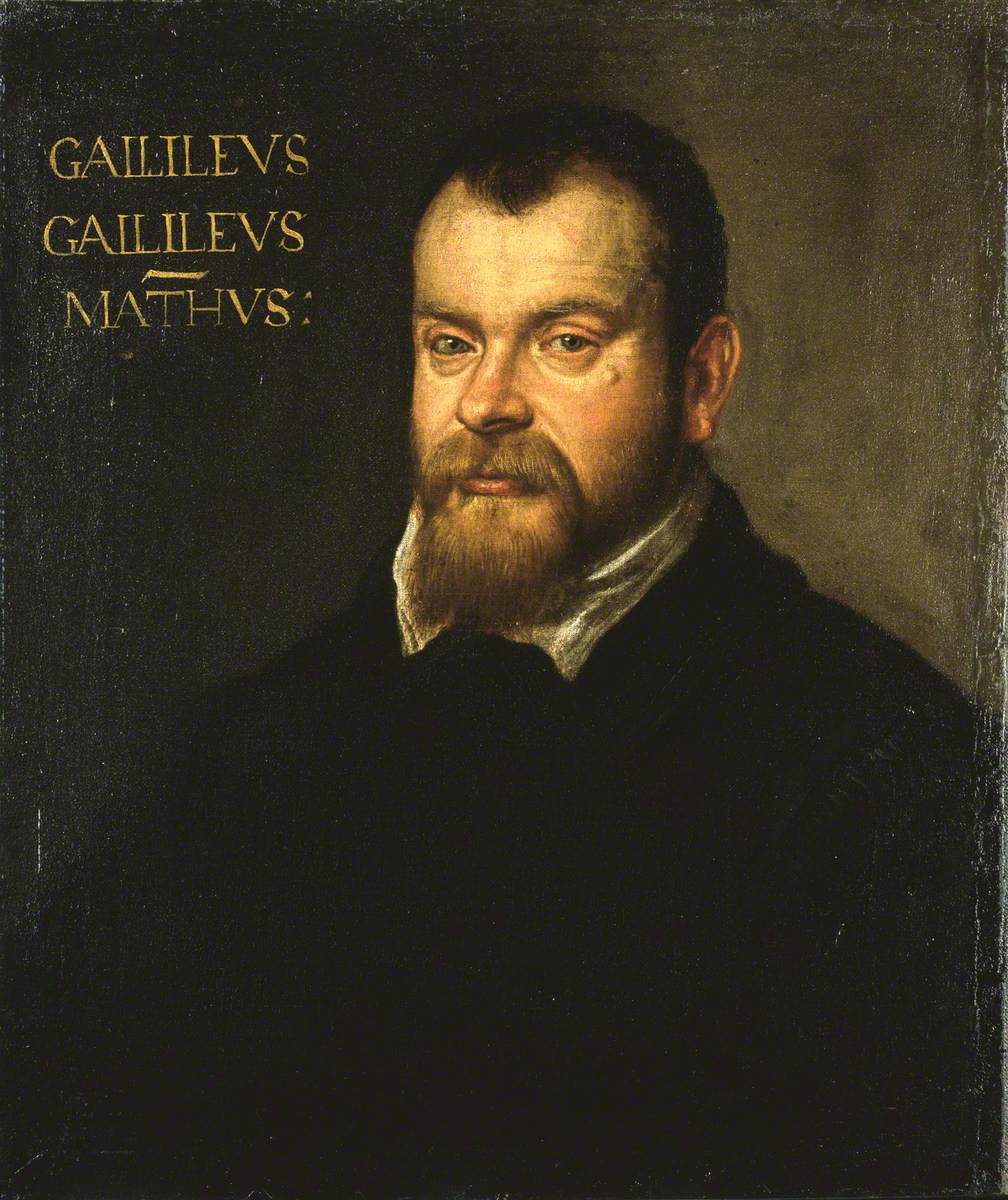
Galileo Galilei
A scientist who changed how we understand the solar system and the laws of physics.
This biography of Galileo Galilei helps you learn English through real historical stories.
born1564
died1642
nationalityItalian
known fortelescopic discoveries and the scientific method
fieldastronomy and physics
Key Takeaways
- He improved the telescope for astronomical use
- He discovered the four largest moons of Jupiter
- He proved that the Earth revolves around the Sun
- He established the scientific method based on experiments
Life Timeline
1564
Born in Italy
1589
Became a mathematics professor
1609
Built his first powerful telescope
1610
Discovered the four largest moons of Jupiter
1632
Published his famous book on the solar system
1633
Placed under house arrest by the Catholic Church
Biography Reading: Galileo Galilei
background
Galileo Galilei was born in 1564 in Italy. As a young man, he originally studied medicine but soon discovered his true passion was mathematics and physics. He was very observant and liked to test ideas through experiments rather than just accepting what older philosophers said. Even though he faced financial difficulties, he became a brilliant professor. These early experiences helped him develop a new, practical way of doing science based on observation and mathematical proof.
achievement
In 1609, Galileo built a powerful telescope and pointed it at the sky. He made several groundbreaking discoveries, such as the craters on the Moon and the four largest moons of Jupiter. Most importantly, his observations supported the idea that the Earth and other planets revolve around the Sun. Before this, most people believed the Earth was the center of the universe. Because of his telescope, humanity began to understand the solar system much better. His work changed astronomy forever.
impact
Galileo's ideas had a massive impact on the world, but they also brought him trouble. The Catholic Church disagreed with his teachings about the Sun and placed him under house arrest for the rest of his life. Despite this, his books and ideas spread across Europe. He is now known as the "father of modern science" because he proved that experiments are the best way to understand nature. His courage to stand by the truth continues to inspire scientists today.
Essential Vocabulary
observant
good at noticing things around you
experiment
a scientific test done to find out how something works
telescope
a piece of equipment used to look at things that are far away
groundbreaking
very new and completely changing the way things are done
revolve
to move in a circle around a central point
courage
the ability to do something that you know is difficult or dangerous
Knowledge Check Quiz
FACTUAL1 / 4
What did Galileo discover using his telescope?
Flashcards
Flashcard
Who was Galileo Galilei?
An Italian scientist who changed our understanding of the solar system.
1 / 9