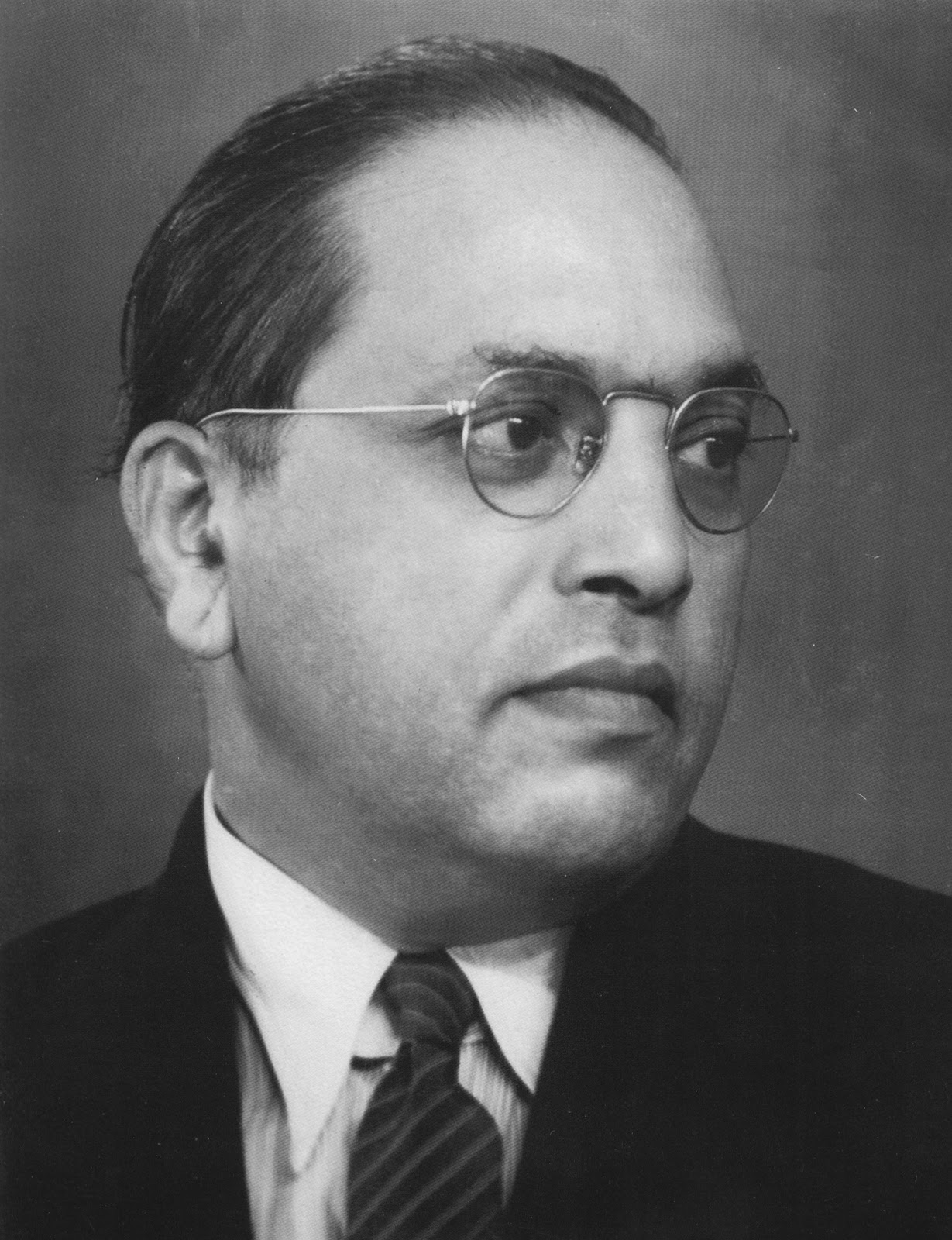
Dr. B.R. Ambedkar
An Indian jurist, economist, and social reformer who campaigned against social discrimination towards the Dalits and was the principal architect of the Constitution of India.
This biography of Dr. B.R. Ambedkar helps you learn English through real historical stories.
born1891
died1956
nationalityIndian
known forDrafting the Indian Constitution and Dalit rights activism
fieldlaw, economics, and social reform
Key Takeaways
- He was a brilliant jurist and social reformer born into the marginalized Dalit caste
- He vehemently fought to annihilate the oppressive caste system and fought for Dalit rights
- He was the principal architect of the Constitution of independent India
- He converted to Buddhism late in life to escape the inequalities of the Hindu caste system
Life Timeline
1891
Born in Mhow, Central Provinces, British India
1923
Completed his D.Sc. in Economics from the London School of Economics
1927
Led the Mahad Satyagraha to fight for the rights of the untouchables
1947
Appointed as independent India's first Minister of Law and Justice
1950
The Constitution of India, which he principally drafted, came into effect
1956
Converted to Buddhism along with hundreds of thousands of followers shortly before his death
Biography Reading: Dr. B.R. Ambedkar
background
Dr. Bhimrao Ramji Ambedkar, born in 1891 in the Central Provinces of British India, was a pioneering social reformer, jurist, and economist. Born into the Mahar caste, who were treated as "untouchables" (Dalits), he experienced severe social discrimination and segregation from a young age. Despite these immense systemic obstacles, his extraordinary intellect earned him scholarships that allowed him to study at Columbia University in New York and the London School of Economics, making him one of the most highly educated Indians of his generation.
achievement
Returning to India, Ambedkar dedicated his life to dismantling the oppressive caste system and fighting for the civil rights of the marginalized. Unlike Gandhi, who believed the caste system could be reformed from within, Ambedkar argued that it had to be completely annihilated to achieve true social justice. In 1927, he led the historic Mahad Satyagraha, marching to a public water tank to assert the rights of Dalits to use public resources. He fiercely advocated for separate political representation and equal rights for the oppressed classes, women, and labor workers.
impact
When India gained independence in 1947, Ambedkar was appointed as the nation's first Minister of Law and Justice and the Chairman of the Constitution Drafting Committee. As the principal architect of the Indian Constitution, he embedded profound democratic principles, ensuring constitutional guarantees and protections for a wide range of civil liberties, the abolition of untouchability, and the outlawing of all forms of discrimination. Deeply disillusioned by Hinduism's entrenched inequalities, he converted to Buddhism in 1956, initiating a mass conversion movement just weeks before his death, leaving an immortal legacy as a champion of human dignity.
Essential Vocabulary
untouchable
a member of the lowest-caste Hindu group or a person outside the caste system
segregation
the action or state of setting someone or something apart from other people or things
annihilate
destroy utterly; obliterate
architect
a person who is responsible for inventing or realizing a particular idea or project
entrenched
established firmly so that it cannot be changed
conversion
the adoption of new religious beliefs that differ from the convert's previous beliefs
Knowledge Check Quiz
FACTUAL1 / 4
What highly important document was Dr. B.R. Ambedkar the principal architect of?
Flashcards
Flashcard
Who was the principal architect of the Indian Constitution?
Dr. B.R. Ambedkar.
1 / 9