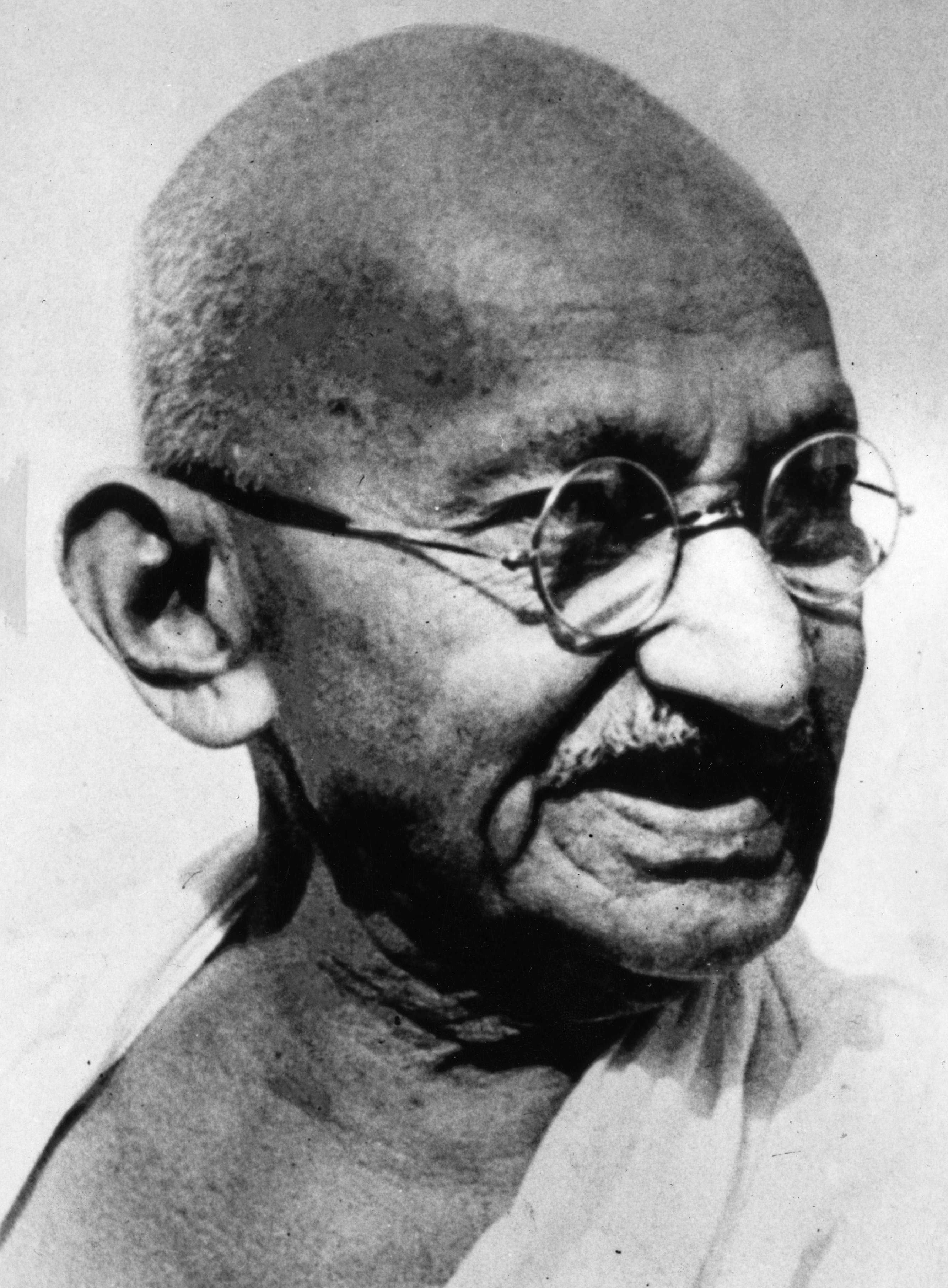
Mahatma Gandhi
A preeminent leader of Indian nationalism and civil rights who successfully led the nonviolent independence movement against British rule.
This biography of Mahatma Gandhi helps you learn English through real historical stories.
born1869
died1948
nationalityIndian
known forLeading the Indian independence movement through nonviolent resistance (Satyagraha)
fieldcivil rights and politics
Key Takeaways
- He led the Indian independence movement against British rule using nonviolent resistance
- He developed the concept of 'Satyagraha', a form of active, peaceful civil disobedience
- He led the historic 1930 Salt March to protest the oppressive British salt monopoly
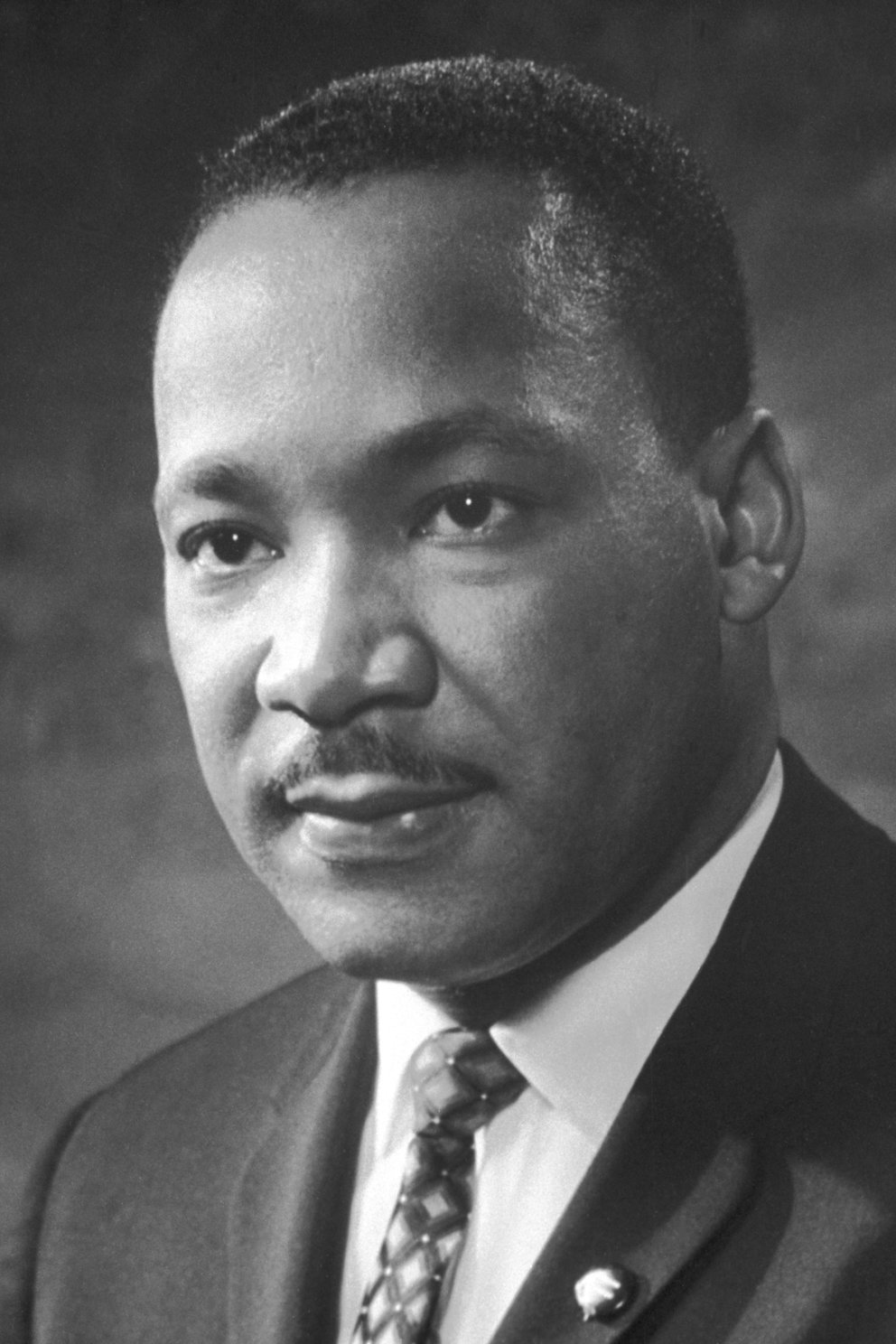
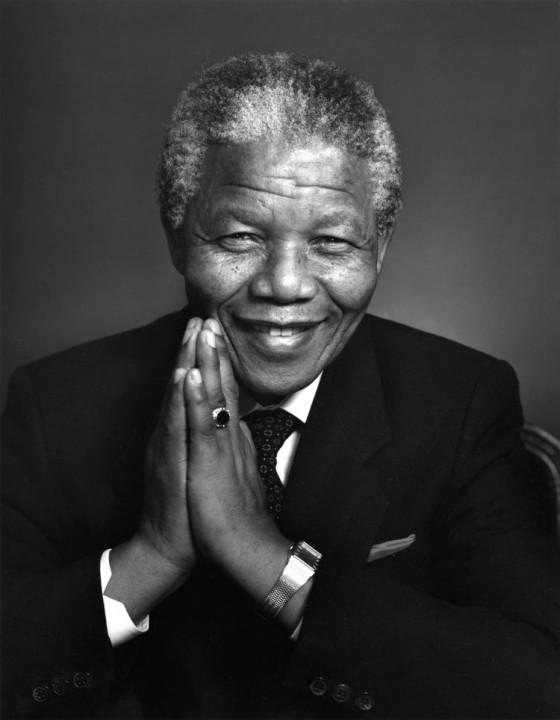
- His philosophy of nonviolence inspired global leaders like Martin Luther King Jr. and Nelson Mandela
Life Timeline
1869
Born in Porbandar, India
1893
Moved to South Africa and began civil rights activism
1915
Returned to India to join the independence movement
1930
Led the historic Salt March against the British salt tax
1947
India achieved independence from British rule
1948
Assassinated in New Delhi
Biography Reading: Mahatma Gandhi
background
Mohandas Karamchand Gandhi, widely known as Mahatma (meaning "Great Soul"), was born in 1869 in Porbandar, India. After studying law in London, he moved to South Africa in 1893 to practice his profession. It was there, facing severe racial discrimination, that he first developed his revolutionary concept of "Satyagraha"—a form of active but strictly nonviolent civil disobedience based on truth and moral courage. For over two decades, he led campaigns for the civil rights of the Indian community in South Africa, transforming from a shy lawyer into a formidable political activist.
achievement
Gandhi returned to India in 1915 and soon became the leading figure of the Indian National Congress. He organized massive, nationwide campaigns to ease poverty, expand women's rights, build religious amity, and most importantly, achieve "Swaraj" or self-rule from the British Empire. His most iconic act of defiance came in 1930 with the Salt March, a 240-mile journey to the Arabian Sea to protest the oppressive British monopoly on salt. By simply making their own salt from seawater, Gandhi and his followers exposed the injustice of British rule to the world, enduring brutal police beatings and mass imprisonment without striking back.
impact
Gandhi's unwavering commitment to nonviolence and his ascetic lifestyle—wearing simple homespun clothes and undertaking long fasts for self-purification and political protest—earned him the reverence of millions. His efforts ultimately culminated in India's independence in 1947. Tragically, the accompanying partition of the subcontinent into India and Pakistan caused immense religious violence, breaking Gandhi's heart. He was assassinated by a Hindu nationalist in 1948. Nevertheless, Gandhi's philosophy of nonviolent resistance profoundly influenced global civil rights leaders, including Martin Luther King Jr. and Nelson Mandela, making him an eternal symbol of peace and moral authority.
Essential Vocabulary
disobedience
failure or refusal to obey rules or someone in authority
formidable
inspiring fear or respect through being impressively large, powerful, intense, or capable
defiance
open resistance; bold disobedience
monopoly
the exclusive possession or control of the supply of or trade in a commodity or service
homespun
simple and unsophisticated; spun or woven in the home
reverence
deep respect for someone or something
Knowledge Check Quiz
FACTUAL1 / 4
What is the meaning of the name 'Mahatma' given to Gandhi?
Flashcards
Flashcard
What revolutionary concept of nonviolent civil disobedience did Gandhi develop?
Satyagraha.
1 / 9