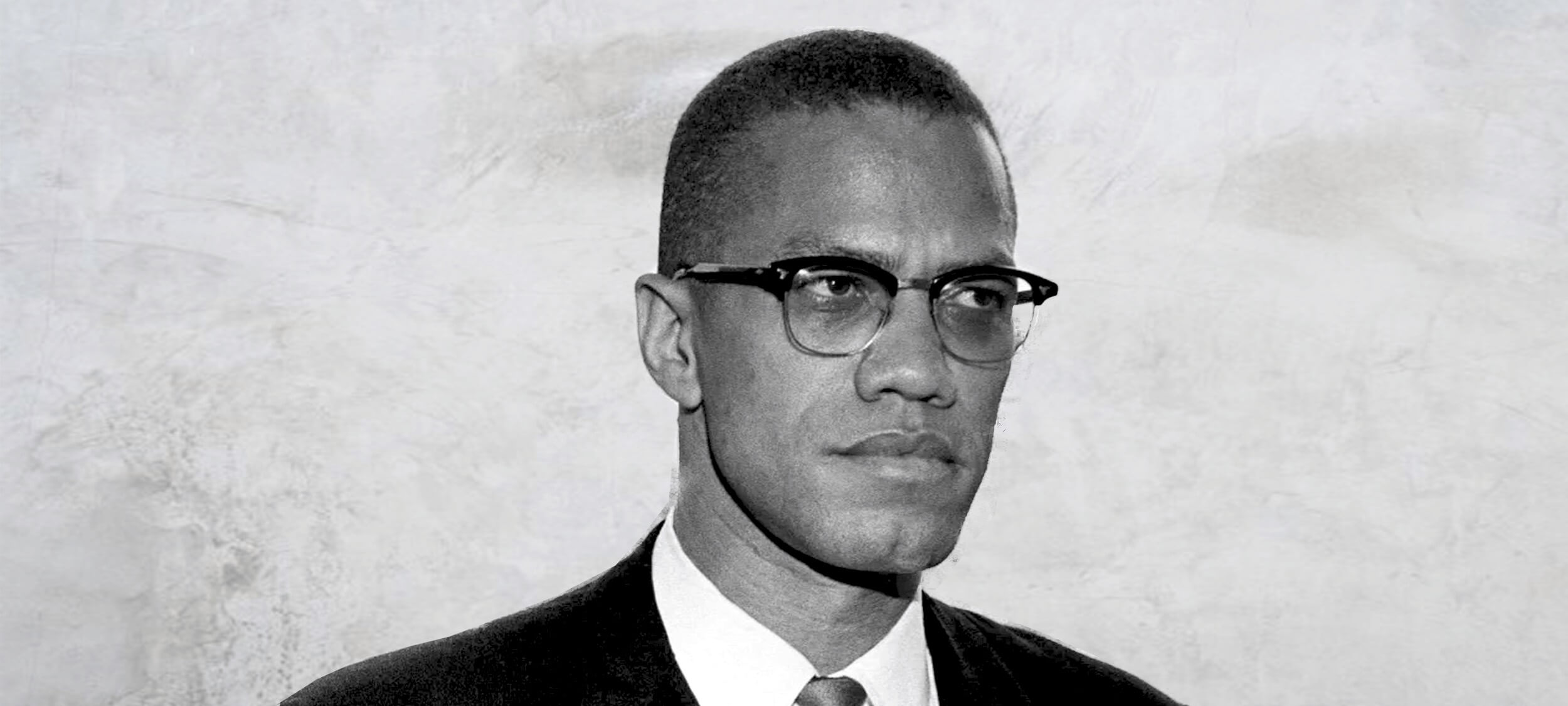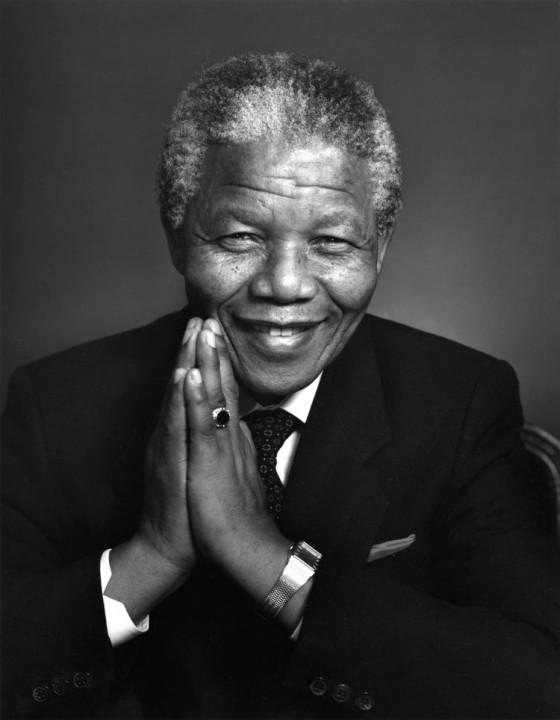
Nelson Mandela
A South African anti-apartheid revolutionary and political leader who spent 27 years in prison before becoming the country's first Black president.
This biography of Nelson Mandela helps you learn English through real historical stories.
born1918
died2013
nationalitySouth African
known forDismantling apartheid and becoming South Africa's first Black president
fieldcivil rights and politics
Key Takeaways
- He was a central figure in the fight against South Africa's oppressive apartheid system
- He spent 27 years in prison for his resistance before being released in 1990
- He remarkably chose reconciliation over vengeance, peacefully dismantling apartheid
- He became South Africa's first Black president in 1994 and won the Nobel Peace Prize
Life Timeline
1918
Born in Mvezo, South Africa
1944
Joined the African National Congress (ANC)
1962
Arrested and subsequently sentenced to life imprisonment
1990
Released from prison after 27 years
1993
Awarded the Nobel Peace Prize
1994
Elected as the first Black president of South Africa
2013
Died in Johannesburg, South Africa
Biography Reading: Nelson Mandela
background
Born Rolihlahla Mandela in 1918 in the tiny village of Mvezo, South Africa, he was later given the English name "Nelson" by a school teacher. Growing up in a deeply racially divided country, he studied law and joined the African National Congress (ANC) in 1944. Mandela initially committed to nonviolent protests against the oppressive system of "apartheid"—a policy of institutionalized racial segregation and discrimination enforced by the white minority government against the Black majority.
achievement
As the government's brutal crackdowns intensified, most notably the Sharpeville massacre, Mandela co-founded the militant group Umkhonto we Sizwe, realizing that peaceful protests alone were no longer effective. His armed resistance led to his arrest in 1962. During the infamous Rivonia Trial, he famously declared his willingness to die for the ideal of a democratic and free society. He was sentenced to life in prison, spending the next 27 years incarcerated, mostly on the notorious Robben Island. Despite his imprisonment, he became the most significant global symbol of the anti-apartheid struggle.
impact
Following mounting international pressure and internal unrest, President F.W. de Klerk released Mandela in 1990. Instead of seeking vengeance, Mandela remarkably led peaceful negotiations to dismantle apartheid, earning both men the 1993 Nobel Peace Prize. In 1994, in South Africa's first fully representative democratic election, Mandela was elected as the nation's first Black president. He focused on reconciliation, establishing the Truth and Reconciliation Commission to heal the country's deep racial wounds. Passing away in 2013, Mandela left an enduring legacy of forgiveness, resilience, and the triumph of the human spirit.
Essential Vocabulary
apartheid
a policy or system of segregation or discrimination on grounds of race in South Africa
institutionalized
established in practice or custom; established as part of an official organization
massacre
an indiscriminate and brutal slaughter of people
incarcerated
imprisoned or confined
vengeance
punishment inflicted or retribution exacted for an injury or wrong
reconciliation
the restoration of friendly relations
Knowledge Check Quiz
FACTUAL1 / 4
How many years did Nelson Mandela spend in prison?
Flashcards
Flashcard
Who became South Africa's first Black president in 1994?
Nelson Mandela.
1 / 9