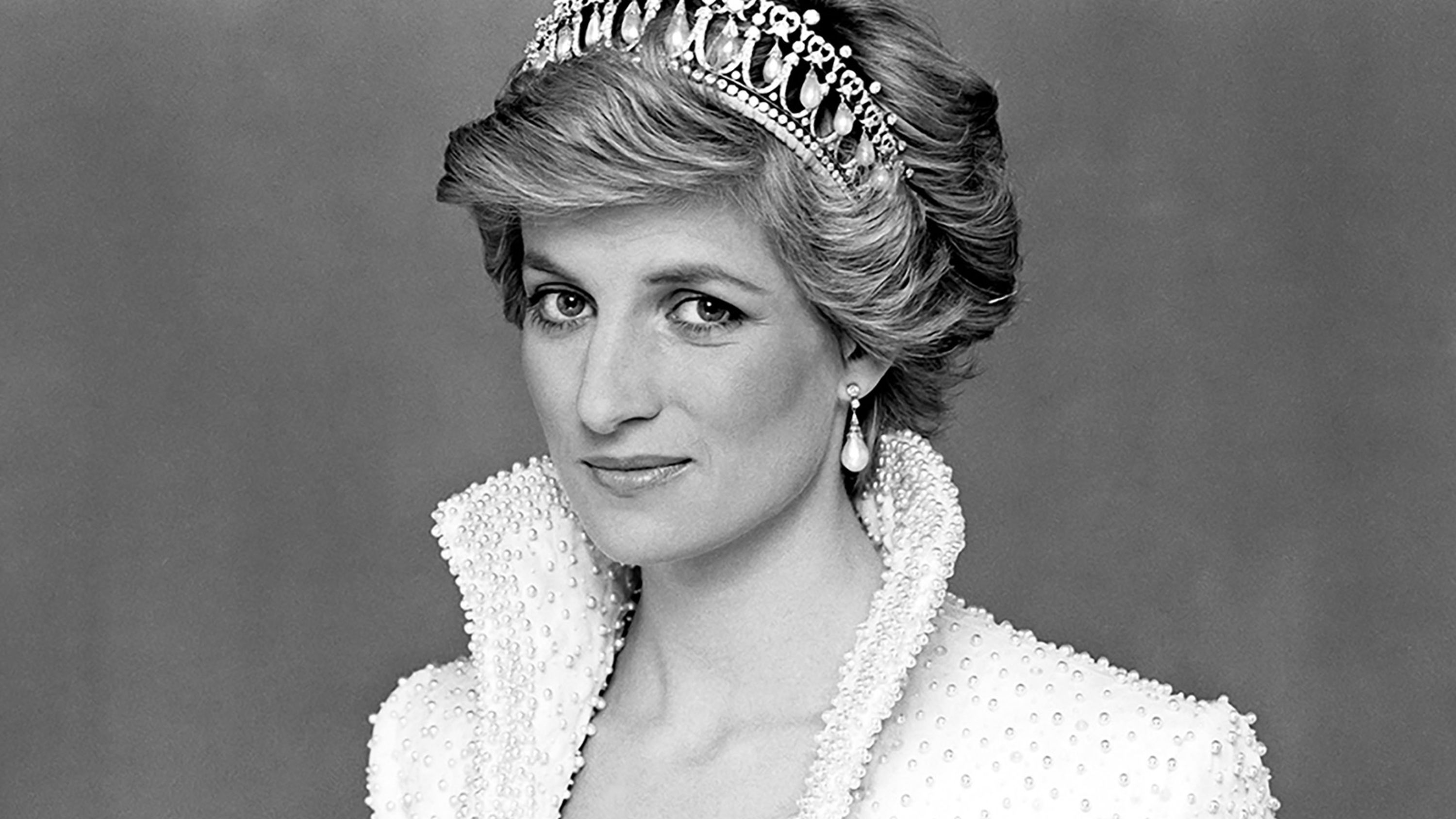
Princess Diana
A beloved member of the British royal family who used her global fame to champion humanitarian causes, most notably the campaign against landmines and HIV/AIDS awareness.
This biography of Princess Diana helps you learn English through real historical stories.
born1961
died1997
nationalityBritish
known forHumanitarian work, the landmine campaign, and HIV/AIDS advocacy
fieldhumanitarianism and philanthropy
Key Takeaways
- She was the Princess of Wales, widely known as the 'People's Princess' for her natural empathy
- She revolutionized royal charity by tackling stigmatized issues like HIV/AIDS and leprosy
- She famously shook hands with an AIDS patient without gloves, dismantling public fear
- Her campaign against landmines directly contributed to the international Ottawa Treaty banning them
Life Timeline
1961
Born Diana Frances Spencer in Sandringham, England
1981
Married Prince Charles, becoming the Princess of Wales
1987
Made headlines by shaking hands with an AIDS patient, challenging the stigma
1996
Divorced Prince Charles
1997
Walked through an active minefield in Angola to campaign against landmines
1997
Died tragically in a car crash in Paris, France
Biography Reading: Princess Diana
background
Diana Frances Spencer was born in 1961 into British nobility. She married Prince Charles in 1981 in a globally televised "fairytale" wedding, officially becoming the Princess of Wales. Despite her immense privilege and royal status, she struggled privately with the intense media scrutiny, a difficult marriage, and the rigid, often cold expectations of the monarchy. However, her natural warmth, vulnerability, and profound empathy quickly made her the most beloved member of the royal family, earning her the enduring title of the "People's Princess."
achievement
Diana revolutionized the royal approach to charity by tackling causes that others actively avoided. In 1987, during the height of the HIV/AIDS epidemic when public fear and misinformation were rampant, she deliberately shook hands with a patient without wearing gloves. This single, highly publicized gesture profoundly changed global perceptions and helped dismantle the cruel stigma surrounding the disease. She showed similar courageous compassion to leprosy patients and the homeless, proving her dedication to society's most marginalized outcasts.
impact
Following her divorce in 1996, Diana focused her global platform entirely on humanitarian work. In early 1997, she famously walked through a partially cleared, active minefield in Angola to campaign for an international ban on anti-personnel landmines. Her immense influence directly contributed to the signing of the Ottawa Treaty later that year. Tragically, Diana died in a car crash in Paris in August 1997 while fleeing paparazzi. While her life was cut short, her legacy of hands-on activism permanently transformed how public figures engage with global crises.
Essential Vocabulary
scrutiny
critical observation or examination
stigma
a mark of disgrace associated with a particular circumstance, quality, or person
rampant
flourishing or spreading unchecked
marginalized
treated as insignificant or peripheral
anti-personnel
designed to kill or injure people rather than to damage buildings or equipment
paparazzi
freelance photographers who pursue celebrities to get photographs of them
Knowledge Check Quiz
FACTUAL1 / 4
What treaty, which banned anti-personnel landmines, did Princess Diana's campaign help bring about?
Flashcards
Flashcard
What affectionate title was Princess Diana given by the public?
The People's Princess.
1 / 9