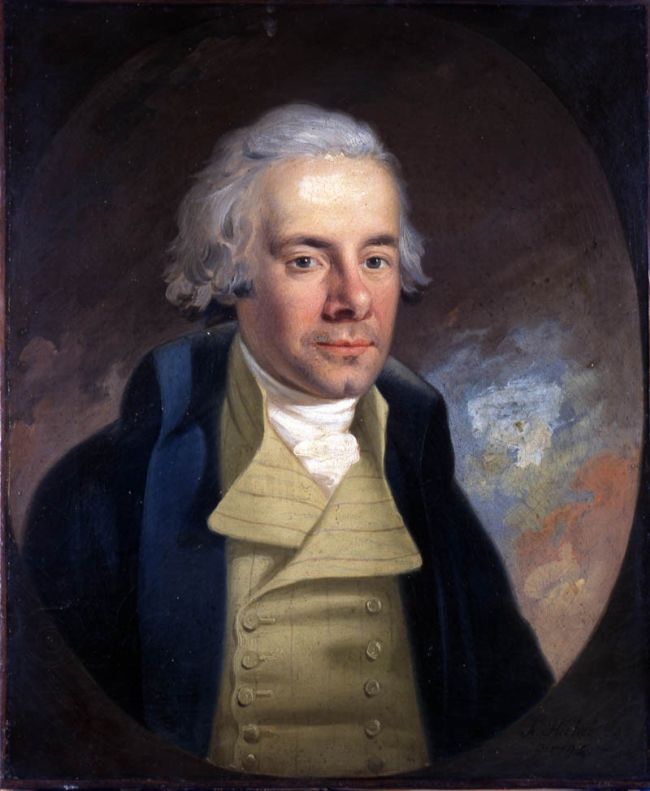
William Wilberforce
An English politician, philanthropist, and leader of the movement to abolish the slave trade in the British Empire.
This biography of William Wilberforce helps you learn English through real historical stories.
born1759
died1833
nationalityEnglish
known forLeading the parliamentary campaign against the slave trade
fieldpolitics and human rights
Key Takeaways
- He was an English Member of Parliament who led the political campaign to abolish the slave trade
- His profound Christian faith drove his lifelong commitment to social reform and human rights
- He faced fierce opposition for 20 years before the Slave Trade Act was finally passed in 1807
- He died in 1833 just days before the Slavery Abolition Act was passed, ending slavery in the British Empire
Life Timeline
1759
Born in Hull, England
1780
Elected as a Member of Parliament (MP)
1785
Underwent a profound evangelical Christian conversion
1787
Began his lifelong campaign to abolish the slave trade
1807
The Slave Trade Act was passed, banning the trade in the British Empire
1833
Died in London, days before the Slavery Abolition Act was passed
Biography Reading: William Wilberforce
background
William Wilberforce was born in 1759 in Hull, England, to a wealthy merchant family. He entered politics at a young age, becoming a Member of Parliament (MP) in 1780. During his early years in politics, he was known for his charm, eloquence, and lively social life. However, in 1785, he underwent a profound evangelical Christian conversion that fundamentally changed the trajectory of his life, instilling in him a deep sense of moral purpose and a commitment to social reform.
achievement
In 1787, encouraged by his faith and by leading anti-slavery activists like Thomas Clarkson, Wilberforce took on the monumental task of leading the parliamentary campaign against the British slave trade. For two decades, he faced fierce opposition from powerful political and financial interests who profited immensely from the brutal transatlantic slave trade. Despite repeated defeats, failing health, and intense personal attacks, Wilberforce relentlessly introduced anti-slavery motions in Parliament, utilizing massive petitions and public awareness campaigns.
impact
His unwavering persistence finally paid off in 1807 when the Slave Trade Act was passed, officially banning the slave trade throughout the British Empire. However, slavery itself remained legal, prompting Wilberforce to continue his crusade for total emancipation. He campaigned tirelessly for another 26 years. In a profoundly poetic conclusion to his life's work, Wilberforce died in 1833, just three days after hearing that the Slavery Abolition Act—which would finally free all slaves in the empire—was assured of passing through Parliament.
Essential Vocabulary
evangelical
of or according to the teaching of the gospel or the Christian religion
abolish
formally put an end to a system, practice, or institution
eloquence
fluent or persuasive speaking or writing
petition
a formal written request, typically one signed by many people, appealing to authority with respect to a particular cause
emancipation
the fact or process of being set free from legal, social, or political restrictions; liberation
crusade
a vigorous campaign for political, social, or religious change
Knowledge Check Quiz
FACTUAL1 / 4
What major event fundamentally changed William Wilberforce's life trajectory in 1785?
Flashcards
Flashcard
Who led the parliamentary campaign to abolish the slave trade in the British Empire?
William Wilberforce.
1 / 9