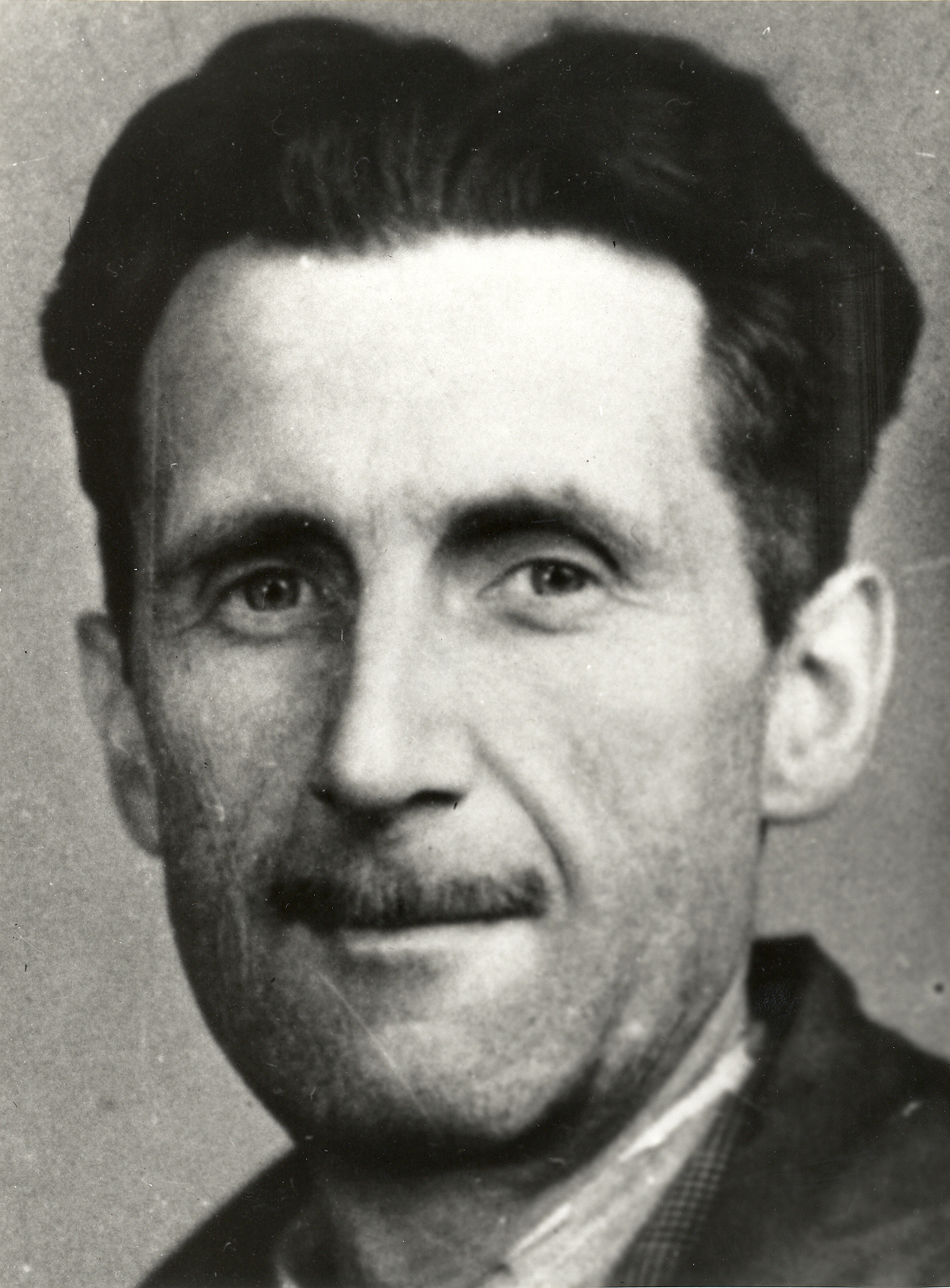
George Orwell
An English novelist, essayist, and critic whose dystopian works profoundly explored totalitarianism, surveillance, and the corruption of language.
This biography of George Orwell helps you learn English through real historical stories.
born1903
died1950
nationalityEnglish
known for1984, Animal Farm, and essays on politics
fieldliterature and political commentary
Key Takeaways
- He was a staunch critic of imperialism and totalitarianism, fighting in the Spanish Civil War
- He wrote 'Animal Farm', a famous allegorical novella satirizing the Russian Revolution
- His dystopian novel '1984' warned against mass surveillance, censorship, and the manipulation of truth
- He introduced enduring political terms like 'Big Brother' and 'Thought Police'
Life Timeline
1903
Born Eric Arthur Blair in Motihari, India
1933
Published his first full-length work, 'Down and Out in Paris and London'
1936
Fought in the Spanish Civil War, deeply influencing his anti-totalitarian views
1945
Published the allegorical novella 'Animal Farm'
1949
Published his dystopian masterpiece '1984'
1950
Died of tuberculosis in London
Biography Reading: George Orwell
background
George Orwell, born Eric Arthur Blair in 1903 in British India, was an English novelist, essayist, and critic. He was educated in England but chose to serve in the Imperial Police in Burma. Witnessing the oppressive reality of imperialism firsthand, he grew deeply disillusioned and resigned to become a writer. To understand the struggles of the poorest classes, he lived among vagrants and dishwashers, experiences he chronicled in his first book, "Down and Out in Paris and London," adopting his famous pen name to avoid embarrassing his family.
achievement
Orwell's political awakening was further cemented when he fought against fascism in the Spanish Civil War. However, witnessing the brutal suppression of his comrades by Soviet-backed communists instilled in him a lifelong hatred of totalitarianism from both the extreme right and the extreme left. This profound ideological clarity birthed "Animal Farm" in 1945, a brilliant allegorical novella that used a farmyard rebellion to satirize the betrayal of the Russian Revolution and the rise of Stalinist dictatorship.
impact
In 1949, despite battling severe tuberculosis, Orwell published his magnum opus, "1984." This terrifying dystopian novel introduced concepts like "Big Brother," "Thought Police," and "Doublethink," serving as a timeless warning against mass surveillance, government censorship, and the manipulation of truth. Orwell died just months after its publication, but his penetrating insight into the relationship between language and power forever changed the political lexicon, making the adjective "Orwellian" a universal warning against oppressive regimes.
Essential Vocabulary
dystopian
relating to or denoting an imagined state or society where there is great suffering or injustice
totalitarianism
a system of government that is centralized and dictatorial and requires complete subservience to the state
imperialism
a policy of extending a country's power and influence through diplomacy or military force
allegorical
constituting or containing an allegory; a story with a hidden meaning
surveillance
close observation, especially of a suspected spy or criminal
censorship
the suppression or prohibition of any parts of books, films, news, etc. that are considered politically unacceptable or a threat to security
Knowledge Check Quiz
FACTUAL1 / 4
What is the real name of the author known as George Orwell?
Flashcards
Flashcard
What was George Orwell's real name?
Eric Arthur Blair.
1 / 9