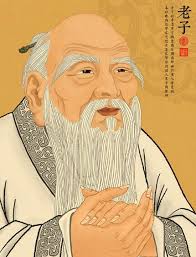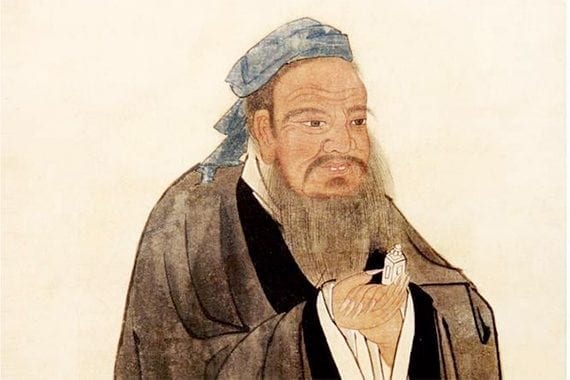
Confucius
A Chinese philosopher and politician whose teachings on ethics, family, and social harmony founded Confucianism, profoundly influencing East Asian culture.
This biography of Confucius helps you learn English through real historical stories.
born551 BC
died479 BC
nationalityChinese
known forfounding Confucianism and his teachings in the Analects
fieldphilosophy and ethics
Key Takeaways
- He was a Chinese philosopher whose teachings founded Confucianism
- He wandered for 14 years trying to persuade rulers to govern with moral virtue
- His teachings were compiled by his disciples into a famous text called the 'Analects'
- His philosophy heavily emphasizes filial piety, education, and social harmony
Life Timeline
551 BC
Born in the State of Lu
c. 501 BC
Appointed as governor of a town, then Minister of Crime
497 BC
Left his political post to begin a long exile and period of wandering
484 BC
Returned to Lu to teach and preserve classical texts
479 BC
Died in Qufu, State of Lu
Biography Reading: Confucius
background
Confucius, also known as Kong Fuzi or Master Kong, was born in 551 BC in the State of Lu during China's tumultuous Spring and Autumn period. Despite being born into a class of impoverished nobility, he managed to secure a good education and developed a deep reverence for the early Zhou Dynasty, which he viewed as a golden age of moral virtue and social order. He initially sought to restore this lost harmony through a career in politics, rising to the position of Minister of Crime in his home state.
achievement
However, frustrated by the corruption of his rulers, Confucius resigned from his post and spent the next fourteen years wandering from state to state. He tried to persuade various feudal lords to adopt his ethical vision of government, which emphasized ruling by moral example rather than through harsh laws and punishments. Although his political ambitions were largely unsuccessful during his lifetime, he gathered a dedicated group of disciples who absorbed his teachings on personal virtue, filial piety, and the importance of ritual propriety.
impact
In his later years, Confucius returned to his home state of Lu to teach and dedicate himself to editing classical literature. After his death in 479 BC, his followers compiled his wisdom, sayings, and dialogues into a foundational text known as the "Analects." His philosophy, Confucianism, eventually became the orthodox state ideology of China and spread across East Asia. His timeless emphasis on education, family loyalty, and the famous Golden Rule—"Do not do to others what you do not want done to yourself"—continues to shape the values of billions of people today.
Essential Vocabulary
tumultuous
making a loud, confused noise; uproarious, or excited, confused, or disorderly
reverence
deep respect for someone or something
corruption
dishonest or fraudulent conduct by those in power
filial piety
a virtue of respect for one's parents, elders, and ancestors
orthodox
conforming to what is generally or traditionally accepted as right or true
propriety
the state or quality of conforming to conventionally accepted standards of behavior or morals
Knowledge Check Quiz
FACTUAL1 / 4
What is the name of the book compiled by Confucius's disciples that contains his sayings?
Flashcards
Flashcard
Who was Confucius?
An ancient Chinese philosopher who founded Confucianism.
1 / 9