Loading…
UCOURSELY
Home
Vocabulary
Grammar
Reading
Daily NewsBiography
Listening
Speaking
Writing
IPA
Books
Progress
Muhammad Biography | Learn English through Stories
Back
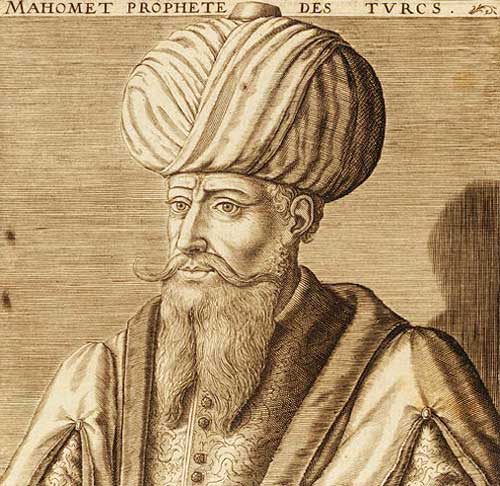
Muhammad

Muhammad

An Arab religious, social, and political leader and the founder of Islam, considered by Muslims to be a prophet divinely inspired to preach.

This biography of Muhammad helps you learn English through real historical stories.

bornc. 570
died632
nationalityArab
known forfounding Islam and receiving the Quran
fieldreligion and spirituality

Key Takeaways

  • He was a merchant known as 'Al-Amin' (The Trustworthy) before receiving divine revelations
  • He received revelations from God through the Archangel Gabriel, which formed the Quran
  • His migration to Medina, known as the Hijrah, marks the beginning of the Islamic calendar
  • He united the Arabian Peninsula under the monotheistic religion of Islam

Life Timeline

c. 570
Born in Mecca
610
Received the first revelation in the Cave of Hira
622
Migrated to Medina (the Hijrah)
630
Conquered Mecca
632
Died in Medina

Biography Reading: Muhammad

background

Muhammad was born around 570 CE in the city of Mecca, located in the Arabian Peninsula. Orphaned at a young age, he was raised first by his grandfather and then by his uncle. He grew up to be a merchant, renowned for his honesty and integrity, which earned him the nickname "Al-Amin" (The Trustworthy). Despite his success in trade, he was deeply troubled by the moral decline, idolatry, and social injustices prevalent in Meccan society, leading him to frequently retreat to the Cave of Hira for deep meditation and prayer.

achievement

In the year 610, at the age of 40, Muhammad reported receiving his first divine revelation from God (Allah) through the Archangel Gabriel. Over the next 22 years, these revelations continued and were later compiled into the Quran, the central religious text of Islam. Muhammad began preaching these messages publicly, emphasizing absolute monotheism, social equality, and care for the poor. However, his teachings threatened the economic and religious status quo of Mecca's ruling elites, leading to severe persecution of him and his early followers.

impact

To escape persecution, Muhammad and his followers migrated to the city of Medina in 622, an event known as the Hijrah, which marks the beginning of the Islamic calendar. In Medina, he established a unified Islamic community (Ummah) and successfully navigated complex political and military conflicts. In 630, he returned to Mecca victoriously and peacefully, clearing the Kaaba of idols and dedicating it to the worship of one God. By the time of his death in 632, he had united most of the Arabian Peninsula under Islam, leaving behind a lasting spiritual and political legacy that continues to shape the lives of nearly two billion Muslims today.

Essential Vocabulary

revelation
the divine or supernatural disclosure to humans of something relating to human existence or the world
monotheism
the doctrine or belief that there is only one God
persecution
hostility and ill-treatment, especially because of race or political or religious beliefs
migration
movement from one part of something to another
integrity
the quality of being honest and having strong moral principles
unified
made or become united, uniform, or whole

Knowledge Check Quiz

FACTUAL1 / 4

What was Muhammad's profession before he received his first revelation?

Flashcards

Flashcard
Who is the founder of Islam?
Muhammad.
1 / 9
Learn more

Jesus of Nazareth
Philosophy, Religion & Spirituality
Jesus of Nazareth
A first-century Jewish preacher and religious leader who became the central figure of Christianity and a profoundly influential spiritual teacher.
Lord Buddha
Philosophy, Religion & Spirituality
Lord Buddha
An ancient Indian spiritual teacher who attained enlightenment and founded Buddhism, profoundly shaping Eastern philosophy and global spirituality.
St Paul
Philosophy, Religion & Spirituality
St Paul
One of the most important figures of the Apostolic Age who spread the teachings of Jesus to the first-century world.
Sri Krishna
Philosophy, Religion & Spirituality
Sri Krishna
A major deity in Hinduism, revered as the eighth avatar of Vishnu and a supreme spiritual teacher whose discourse is immortalized in the Bhagavad Gita.
Socrates
Philosophy, Religion & Spirituality
Socrates
A classical Greek philosopher credited as one of the founders of Western philosophy, known for his Socratic method of questioning.
Plato
Philosophy, Religion & Spirituality
Plato
An ancient Greek philosopher who founded the Academy in Athens and profoundly shaped Western philosophy with his Theory of Forms.
Aristotle
Philosophy, Religion & Spirituality
Aristotle
An ancient Greek philosopher and polymath who made fundamental contributions to almost every field of human knowledge, from logic to biology.
Confucius
Philosophy, Religion & Spirituality
Confucius
A Chinese philosopher and politician whose teachings on ethics, family, and social harmony founded Confucianism, profoundly influencing East Asian culture.
Lao Tzu
Philosophy, Religion & Spirituality
Lao Tzu
An ancient Chinese philosopher and writer, renowned as the reputed author of the Tao Te Ching and the founder of philosophical Taoism.
Moses
Philosophy, Religion & Spirituality
Moses
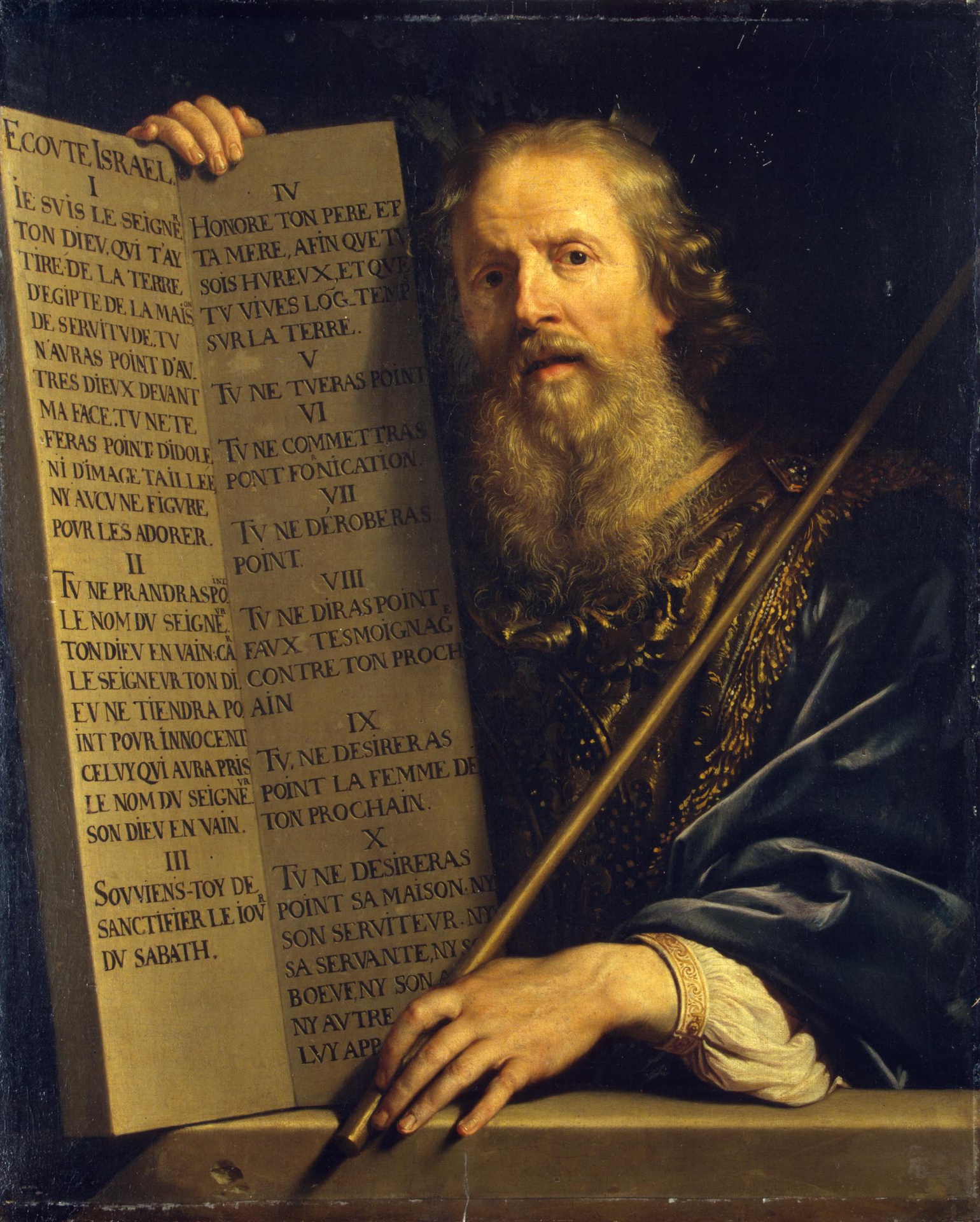
The most important prophet in Judaism, credited with leading the Israelites out of Egyptian slavery and receiving the Torah.
Marcus Aurelius
Philosophy, Religion & Spirituality
Marcus Aurelius
A Roman Emperor and Stoic philosopher known for his 'Meditations', which remain a foundational text on self-discipline and resilience.
Voltaire
Philosophy, Religion & Spirituality
Voltaire
A French Enlightenment writer, historian, and philosopher famous for his wit, his criticism of Christianity, and his advocacy of freedom of speech.
Guru Nanak
Philosophy, Religion & Spirituality
Guru Nanak
A prominent Indian spiritual teacher and the founder of Sikhism, the first of the ten Sikh Gurus, who taught the oneness of God and human equality.
14th Dalai Lama
Philosophy, Religion & Spirituality
14th Dalai Lama
The spiritual leader of the Tibetan people and a global icon of peace, compassion, and non-violence, awarded the Nobel Peace Prize in 1989.
Martin Luther
Philosophy, Religion & Spirituality
Martin Luther
A German priest, theologian, and key figure of the Protestant Reformation who challenged the Catholic Church's practices.
William Tyndale
Philosophy, Religion & Spirituality
William Tyndale
An English scholar and leading figure in the Protestant Reformation who translated the Bible into English directly from the original Hebrew and Greek texts.