Loading…
UCOURSELY
Home
Vocabulary
Grammar
Reading
Daily NewsBiography
Listening
Speaking
Writing
IPA
Books
Progress
Socrates Biography | Learn English through Stories
Back
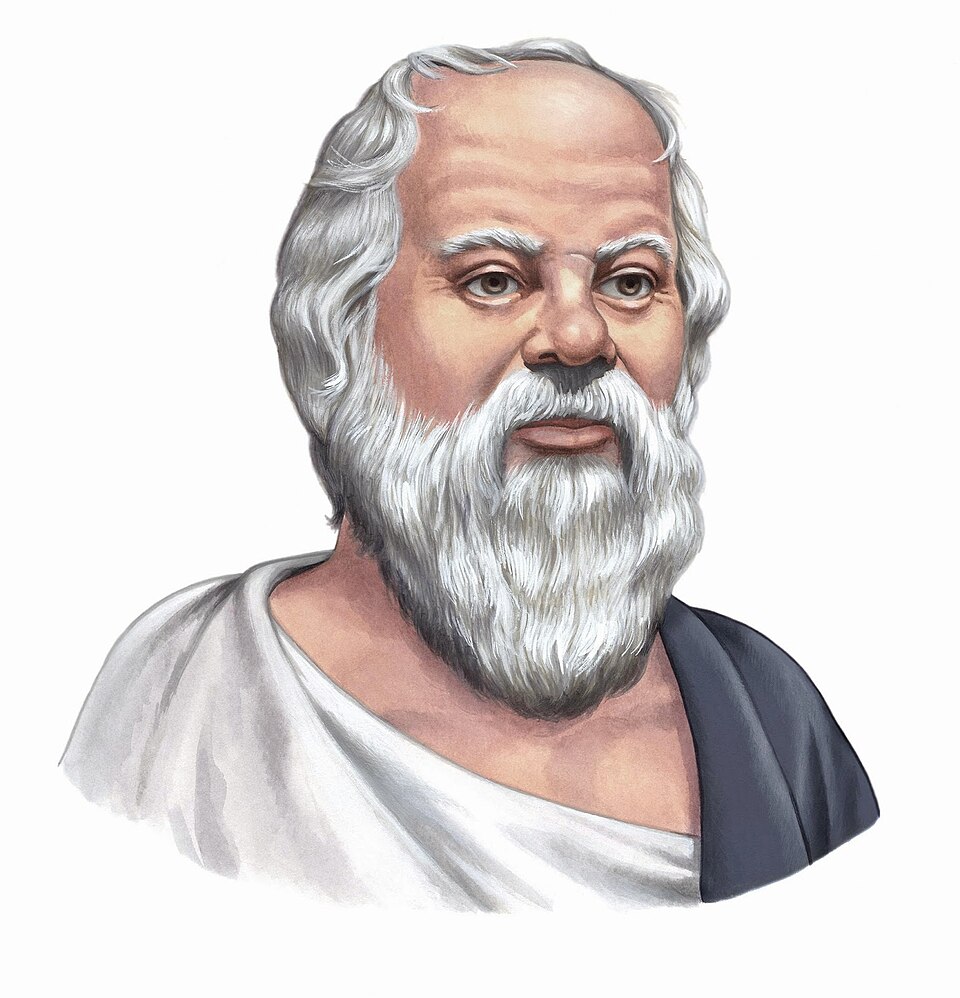
Socrates

Socrates

A classical Greek philosopher credited as one of the founders of Western philosophy, known for his Socratic method of questioning.

This biography of Socrates helps you learn English through real historical stories.

bornc. 470 BC
died399 BC
nationalityGreek (Athenian)
known forthe Socratic method and foundational contributions to Western philosophy
fieldphilosophy

Key Takeaways

  • He never wrote any books; his ideas were recorded by his student Plato
  • He developed the Socratic method, a system of asking questions to stimulate critical thinking
  • He famously declared that his only wisdom was knowing that he knew nothing
  • He was sentenced to death by drinking hemlock for 'corrupting the youth' of Athens

Life Timeline

c. 470 BC
Born in Athens
c. 431-404 BC
Served as a hoplite (soldier) in the Peloponnesian War
c. 420s BC
Began his public philosophical dialogues in the Agora
399 BC
Put on trial for corrupting the youth and impiety
399 BC
Executed by drinking hemlock

Biography Reading: Socrates

background

Socrates was born around 470 BC in Athens, Greece, during its golden age. Unlike many intellectuals of his time, he did not write down any of his teachings; everything we know about him comes from the accounts of his students, most notably Plato and Xenophon. He spent his early years working as a stonemason before serving bravely as a soldier in the Peloponnesian War. However, his true calling lay not in physical labor or warfare, but in the relentless pursuit of truth and wisdom.

achievement

He is best known for developing the "Socratic method," a form of cooperative argumentative dialogue. Instead of lecturing, Socrates would walk through the public squares of Athens, asking people probing questions about concepts like justice, courage, and piety. By constantly asking "why," he exposed contradictions in their thinking, showing that many who claimed to be wise actually knew very little. His most famous realization was his own intellectual humility: "I know that I know nothing."

impact

Socrates's habit of embarrassing the powerful and encouraging the youth to question authority eventually made him powerful enemies. In 399 BC, he was put on trial, accused of corrupting the youth of Athens and failing to acknowledge the city's gods. Despite giving a brilliant and defiant defense, he was found guilty and sentenced to death. True to his principles, he refused opportunities to escape into exile, choosing instead to calmly drink a cup of poisonous hemlock, becoming philosophy's first great martyr and forever altering the course of Western thought.

Essential Vocabulary

stonemason
a person who cuts, prepares, and builds with stone
relentless
oppressively constant; incessant
probing
inquiring closely into something; searching
contradiction
a combination of statements, ideas, or features of a situation that are opposed to one another
defiant
showing open resistance; bold disobedience
martyr
a person who is killed because of their religious or other beliefs

Knowledge Check Quiz

FACTUAL1 / 4

Which of Socrates's students is most famous for writing down his dialogues?

Flashcards

Flashcard
Who was Socrates?
A classical Greek philosopher and a founder of Western philosophy.
1 / 9
Learn more

Jesus of Nazareth
Philosophy, Religion & Spirituality
Jesus of Nazareth
A first-century Jewish preacher and religious leader who became the central figure of Christianity and a profoundly influential spiritual teacher.
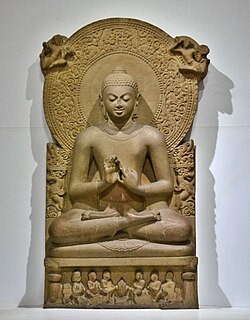
Lord Buddha
Philosophy, Religion & Spirituality
Lord Buddha
An ancient Indian spiritual teacher who attained enlightenment and founded Buddhism, profoundly shaping Eastern philosophy and global spirituality.
Muhammad
Philosophy, Religion & Spirituality
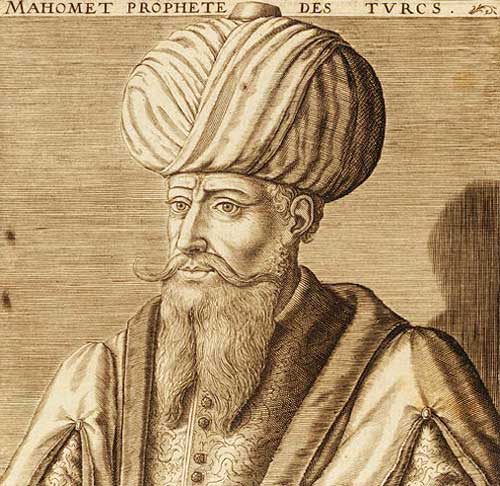
Muhammad
An Arab religious, social, and political leader and the founder of Islam, considered by Muslims to be a prophet divinely inspired to preach.
St Paul
Philosophy, Religion & Spirituality
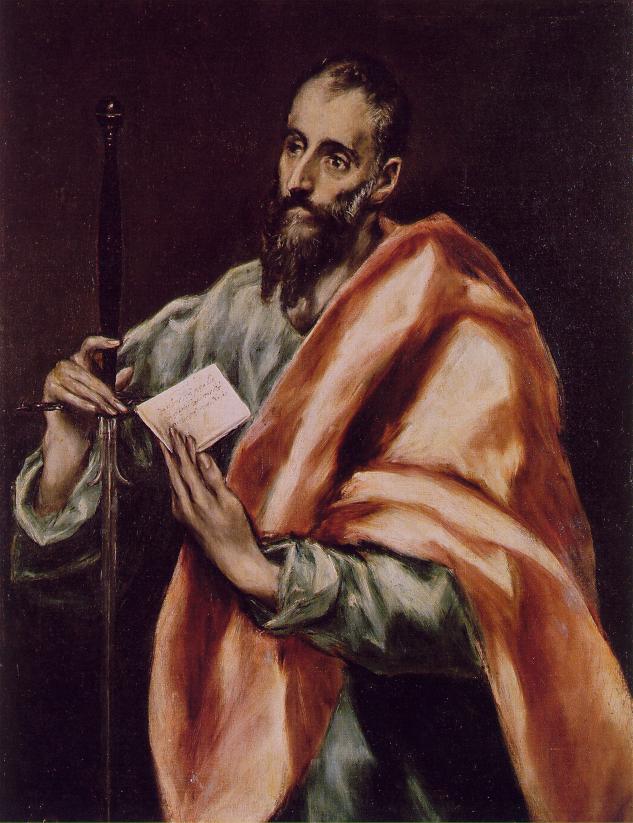
St Paul
One of the most important figures of the Apostolic Age who spread the teachings of Jesus to the first-century world.
Sri Krishna
Philosophy, Religion & Spirituality
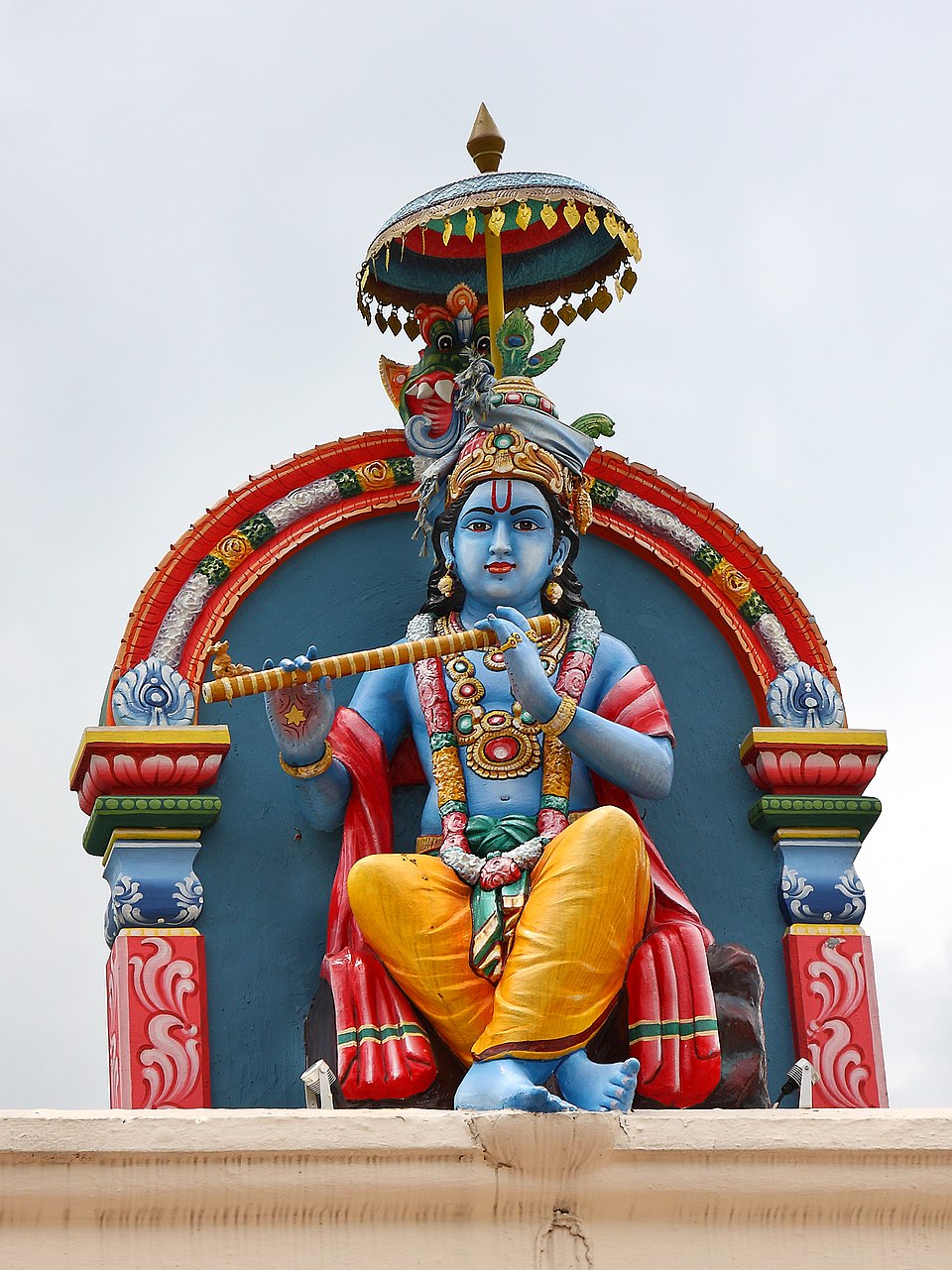
Sri Krishna
A major deity in Hinduism, revered as the eighth avatar of Vishnu and a supreme spiritual teacher whose discourse is immortalized in the Bhagavad Gita.
Plato
Philosophy, Religion & Spirituality
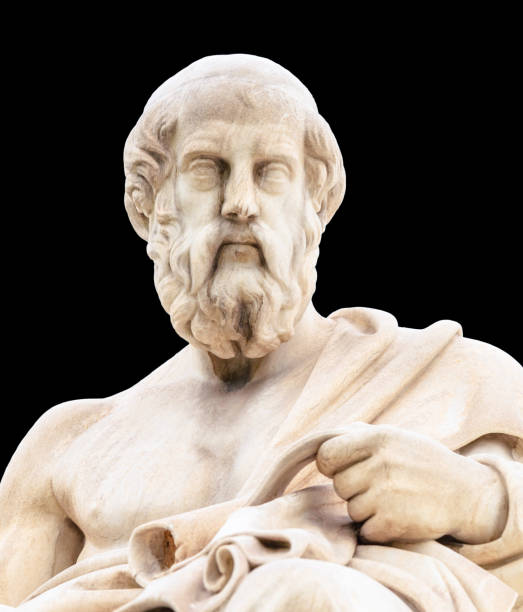
Plato
An ancient Greek philosopher who founded the Academy in Athens and profoundly shaped Western philosophy with his Theory of Forms.
Aristotle
Philosophy, Religion & Spirituality
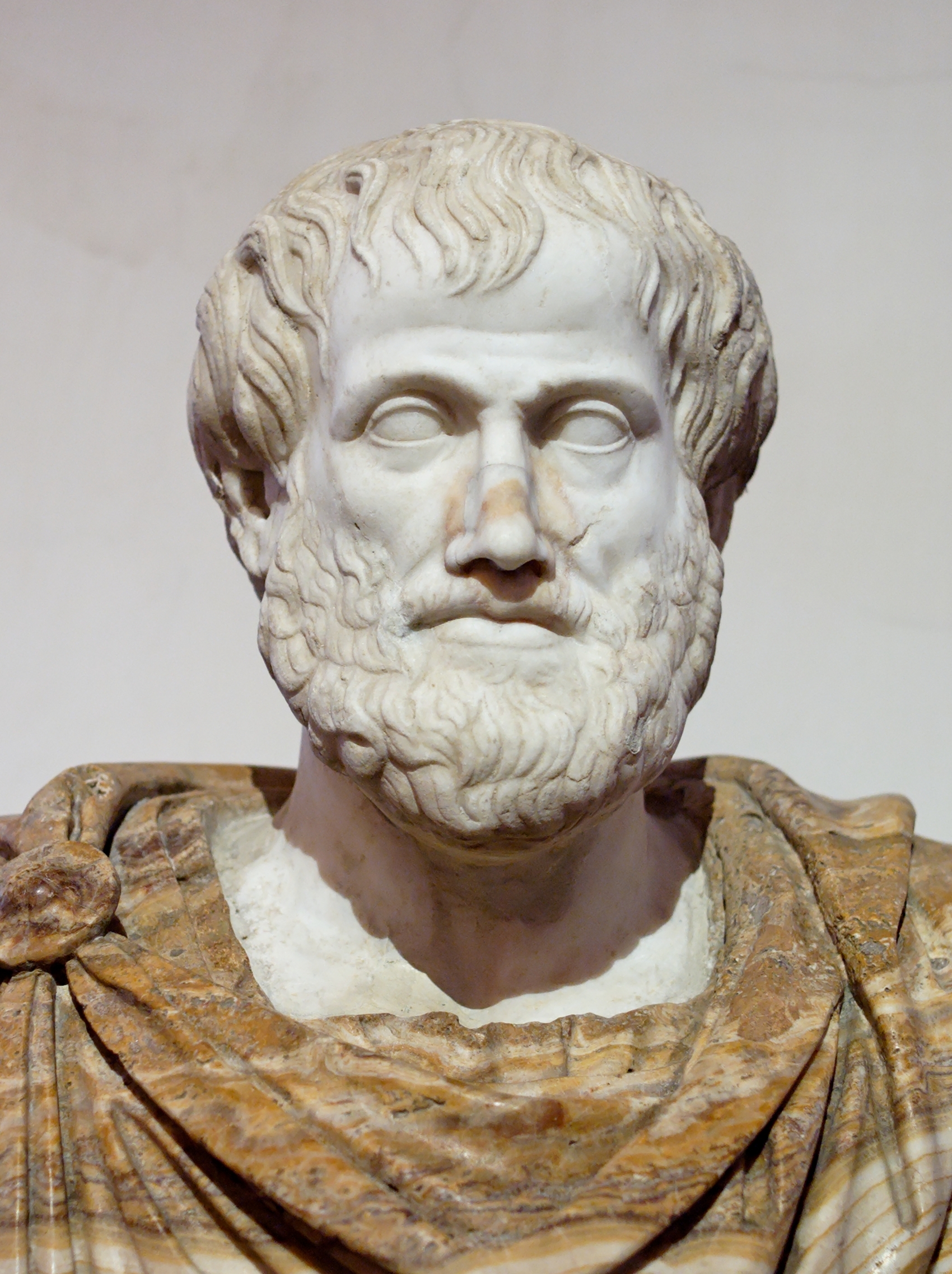
Aristotle
An ancient Greek philosopher and polymath who made fundamental contributions to almost every field of human knowledge, from logic to biology.
Confucius
Philosophy, Religion & Spirituality
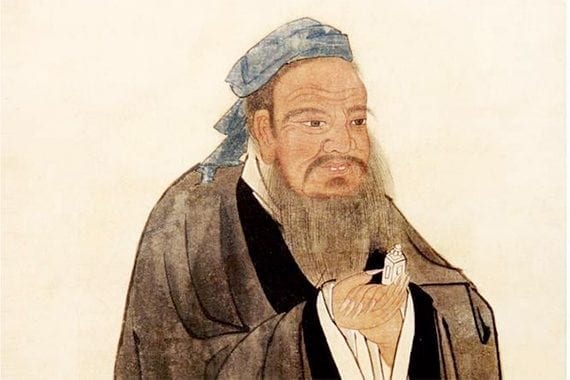
Confucius
A Chinese philosopher and politician whose teachings on ethics, family, and social harmony founded Confucianism, profoundly influencing East Asian culture.
Lao Tzu
Philosophy, Religion & Spirituality
Lao Tzu
An ancient Chinese philosopher and writer, renowned as the reputed author of the Tao Te Ching and the founder of philosophical Taoism.
Moses
Philosophy, Religion & Spirituality
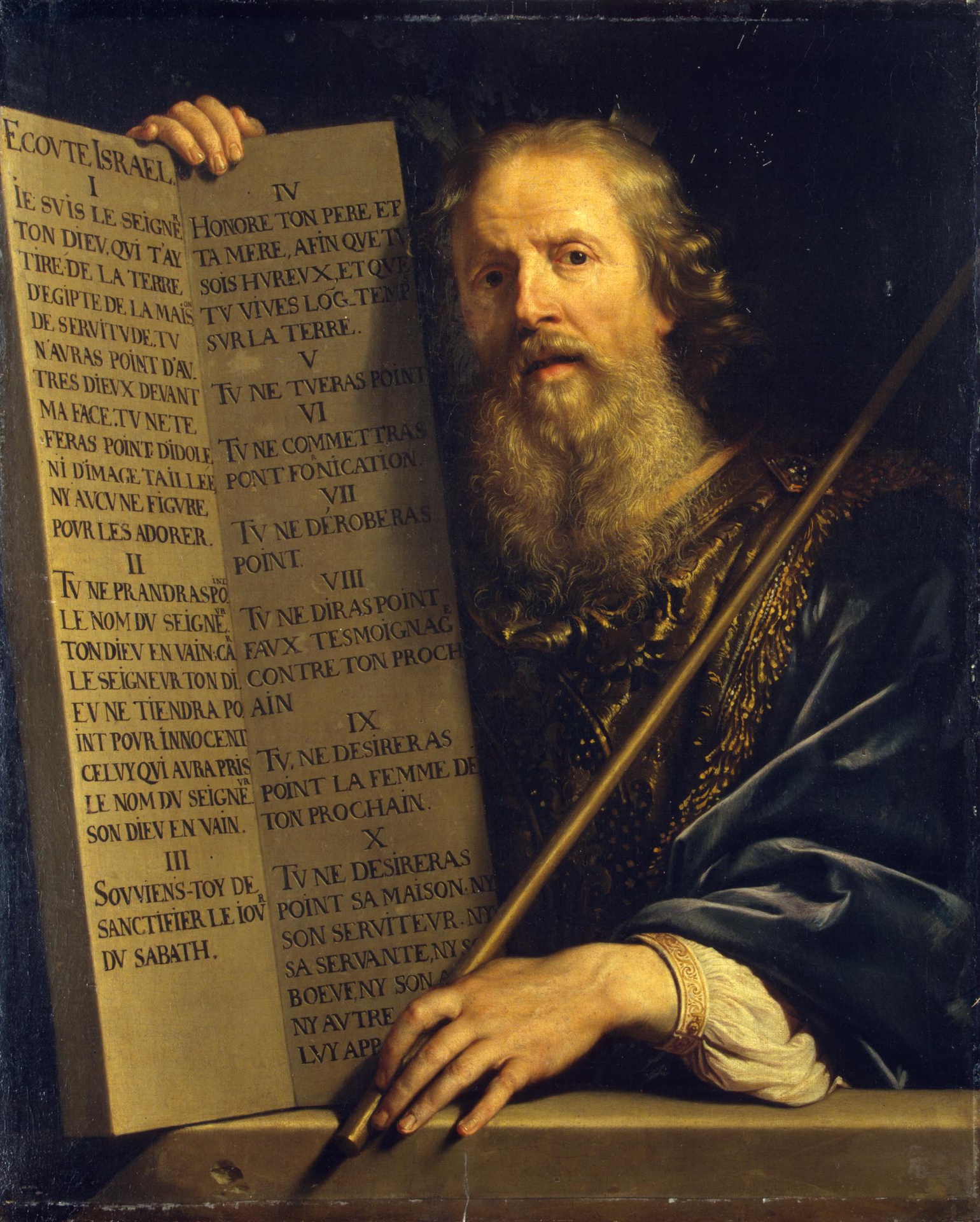
Moses
The most important prophet in Judaism, credited with leading the Israelites out of Egyptian slavery and receiving the Torah.
Marcus Aurelius
Philosophy, Religion & Spirituality
Marcus Aurelius
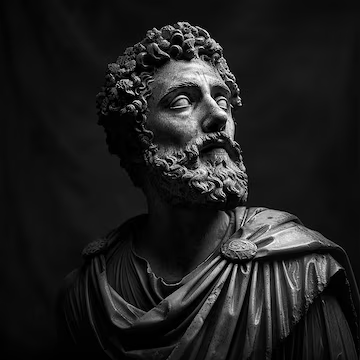
A Roman Emperor and Stoic philosopher known for his 'Meditations', which remain a foundational text on self-discipline and resilience.
Voltaire
Philosophy, Religion & Spirituality
Voltaire
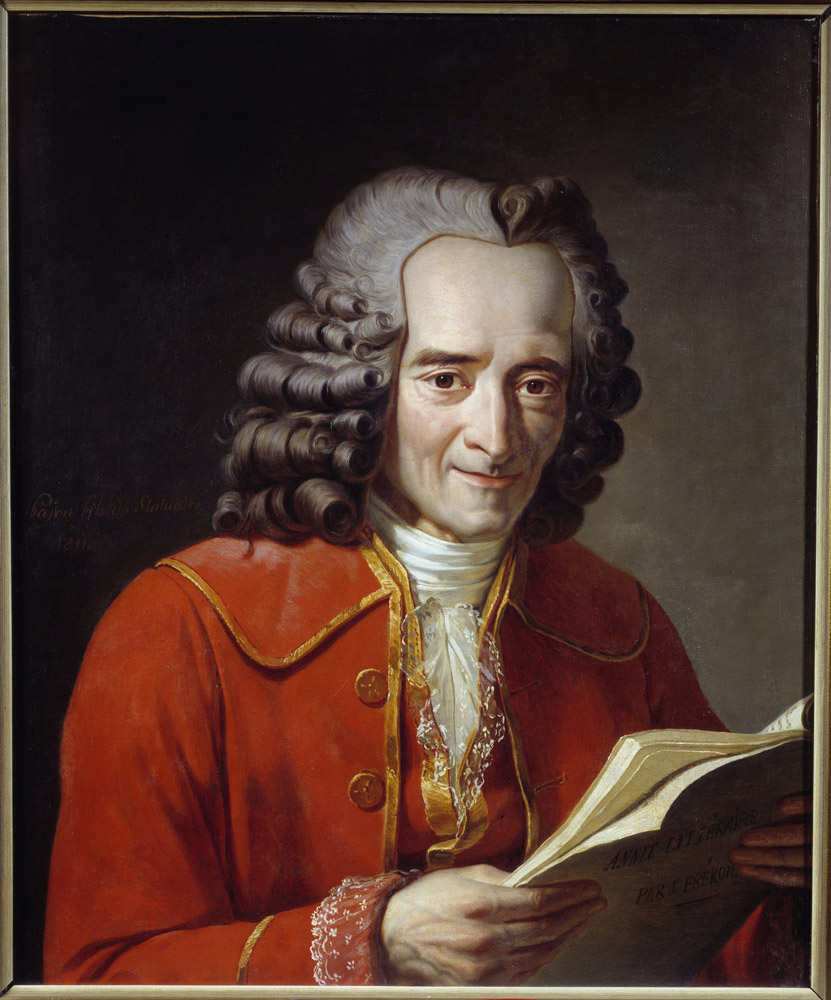
A French Enlightenment writer, historian, and philosopher famous for his wit, his criticism of Christianity, and his advocacy of freedom of speech.
Guru Nanak
Philosophy, Religion & Spirituality
Guru Nanak
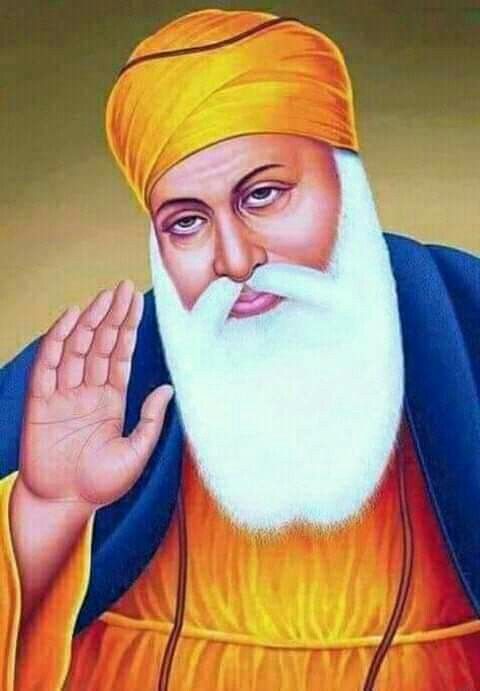
A prominent Indian spiritual teacher and the founder of Sikhism, the first of the ten Sikh Gurus, who taught the oneness of God and human equality.
14th Dalai Lama
Philosophy, Religion & Spirituality
14th Dalai Lama
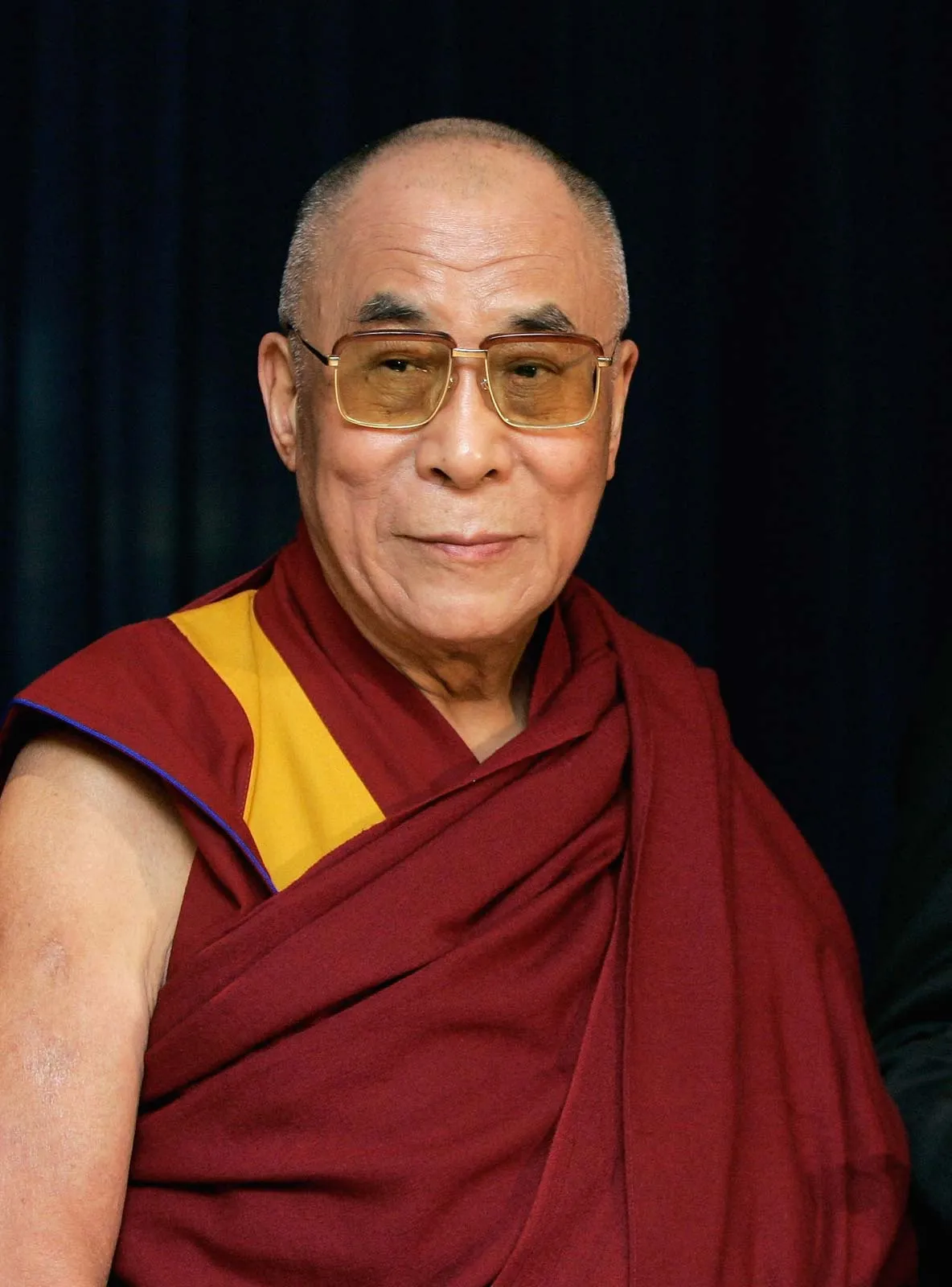
The spiritual leader of the Tibetan people and a global icon of peace, compassion, and non-violence, awarded the Nobel Peace Prize in 1989.
Martin Luther
Philosophy, Religion & Spirituality
Martin Luther
A German priest, theologian, and key figure of the Protestant Reformation who challenged the Catholic Church's practices.
William Tyndale
Philosophy, Religion & Spirituality
William Tyndale
An English scholar and leading figure in the Protestant Reformation who translated the Bible into English directly from the original Hebrew and Greek texts.