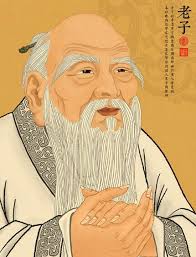
Lao Tzu
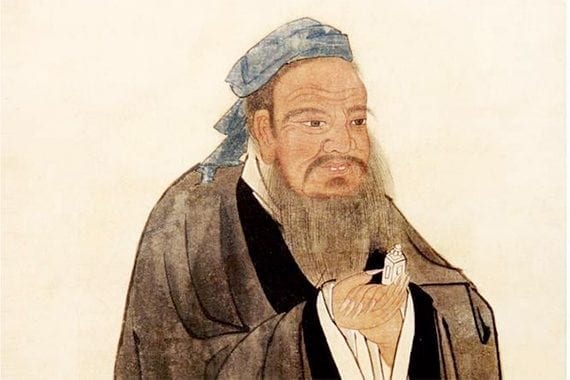
An ancient Chinese philosopher and writer, renowned as the reputed author of the Tao Te Ching and the founder of philosophical Taoism.
This biography of Lao Tzu helps you learn English through real historical stories.
bornc. 6th century BC (traditional)
diedc. 5th century BC (traditional)
nationalityChinese
known forauthoring the Tao Te Ching and founding Taoism
fieldphilosophy and religion
Key Takeaways
- He is a semi-legendary ancient Chinese philosopher and the founder of Taoism
- He wrote the Tao Te Ching, one of the most translated philosophical texts in history
- His philosophy centers on the 'Tao' (The Way), the natural order of the universe
- He advocated for 'Wu Wei' (non-action), teaching people to live in harmony with nature
Life Timeline
c. 6th century BC
Born in the State of Chu (according to tradition)
c. 6th century BC
Worked as the Keeper of the Archives for the royal court of Zhou
c. 6th century BC
Met and advised a young Confucius, according to legendary accounts
c. 5th century BC
Left the declining Zhou dynasty and traveled west on a water buffalo
c. 5th century BC
Wrote the Tao Te Ching at the western frontier pass before vanishing
Biography Reading: Lao Tzu
background
Lao Tzu, whose name translates to "Old Master," is a semi-legendary figure of ancient China, traditionally believed to have lived in the 6th century BC during the Spring and Autumn period. According to historical records by Sima Qian, he served as the Keeper of the Archives for the royal court of the Zhou Dynasty. This position granted him vast access to the wisdom of ancient texts, allowing him to develop a profound understanding of nature, history, and human behavior. Legend has it that he even met and advised a younger Confucius, critiquing his emphasis on rigid rituals and social ambition.
achievement
Observing the moral decay and inevitable decline of the Zhou Dynasty, a disillusioned Lao Tzu decided to leave civilization behind and travel west, famously riding a water buffalo. When he reached the western frontier pass, a border guard recognized the wise sage and begged him to write down his wisdom before departing forever. In response, Lao Tzu composed the "Tao Te Ching" (The Book of the Way and its Virtue), a short but incredibly dense poetic text of about 5,000 characters. He then crossed the border and vanished into the mists of myth, leaving behind a legacy that would forever alter Chinese spirituality.
impact
The core of Lao Tzu's philosophy is "Tao" (The Way), an indescribable, mysterious force that flows through and sustains the entire universe. Unlike Confucianism, which stresses strict social order and moral duties, Taoism advocates for "Wu Wei" (non-action or effortless action). This concept teaches people to align themselves with the natural flow of life, living with humility, simplicity, and compassion rather than forcing their will upon the world. Over the millennia, Lao Tzu's gentle yet profound teachings have offered a peaceful, contemplative alternative to the rigid structures of society, profoundly influencing East Asian art, medicine, and martial arts.
Essential Vocabulary
semi-legendary
having characteristics of both history and myth; partly legendary
frontier
a line or border separating two countries or areas
sage
a profoundly wise person, especially one who features in ancient history or legend
humility
a modest or low view of one's own importance; humbleness
contemplative
expressing or involving prolonged thought
effortless
requiring no physical or mental exertion
Knowledge Check Quiz
FACTUAL1 / 4
What is the name of the poetic text Lao Tzu composed before vanishing?
Flashcards
Flashcard
Who was Lao Tzu?
An ancient Chinese philosopher and the founder of Taoism.
1 / 9